Installation Guides
How to install double-ferrule compression fittings, ball valves and corrugated hose — tube insertion, ferrule order, torque and leak checks from the factory.
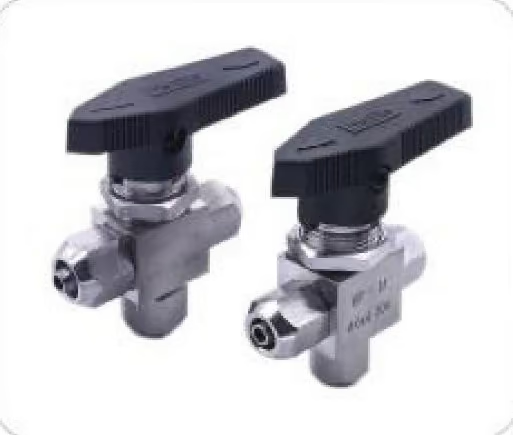
Ball Valve vs Compression Valve: Valve vs Connection
A compression valve is not a valve type. Separate the valve from the connection, compare what actually wears, and spec valve type and ends as two lines.
Read article →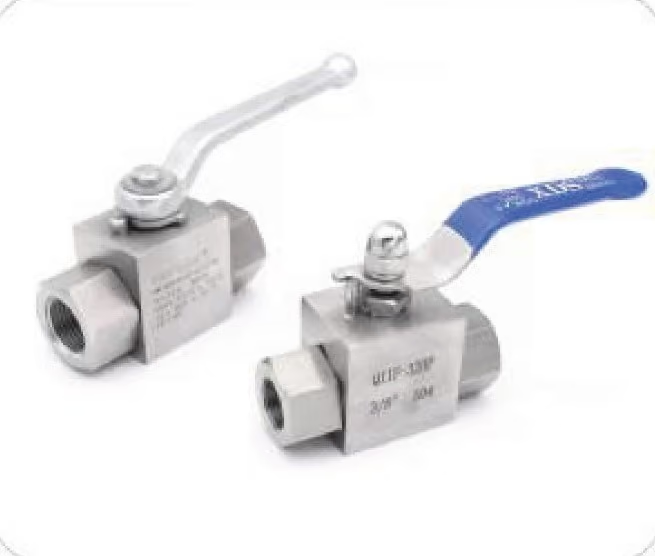
Gate Valve vs Ball Valve: Which One Belongs Where
Gate valve vs ball valve: how each seals, why gate valves fail to shut tight, quarter-turn economics, where gate still wins, and how to spec a replacement.
Read article →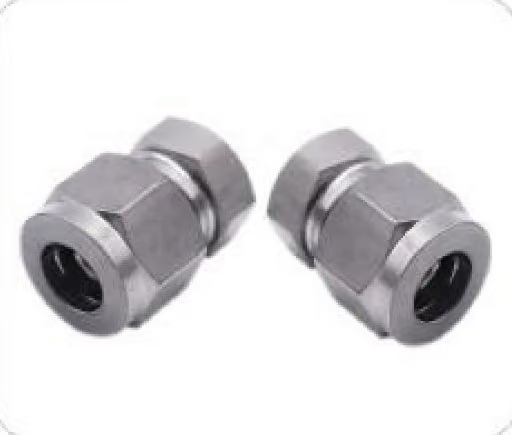
Teflon Tape and Pipe Dope on Compression Fittings
Should you use Teflon tape or pipe dope on compression fittings? Where sealant helps, where it ruins the ferrule seal, and the lubricant makers allow.
Read article →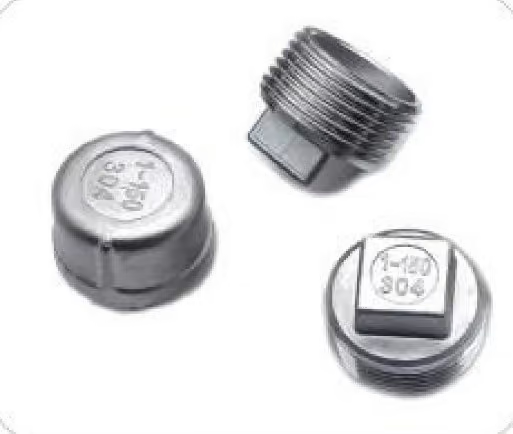
Sampling Systems 101: From Take-off to Analyzer
Sampling systems from take-off to analyzer: probe placement, double block and bleed, fast loops versus transport lag, conditioning with filters and orifices, and the final needle.
Read article →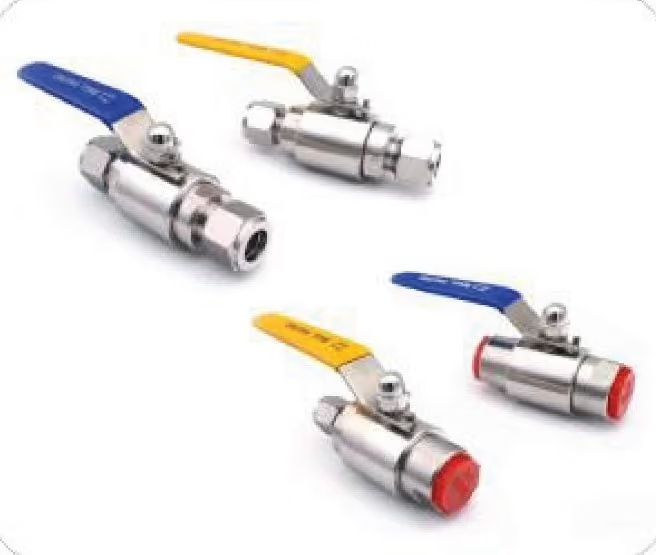
Flanged Connections on Small Valves: When Threads Give Way
Flanged small valves: the maintenance case for flanges, Class 150 versus PN 16 and PN 20, RF versus FF faces, stainless bolting practice, and the mating question.
Read article →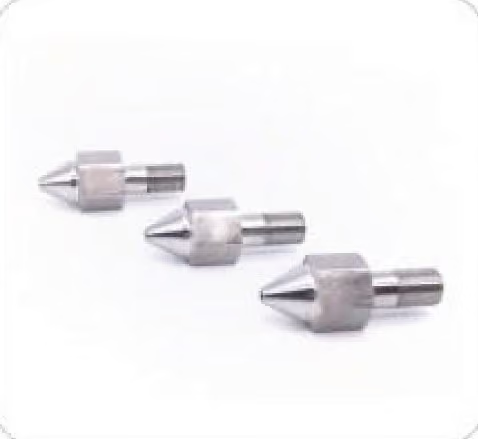
Valve Packing and Fugitive Emissions: What to Specify
Valve packing for fugitive emissions: PTFE vs graphite temperature bands, live-loading with Belleville springs, ISO 15848 classes, API 624/641, and TA-Luft.
Read article →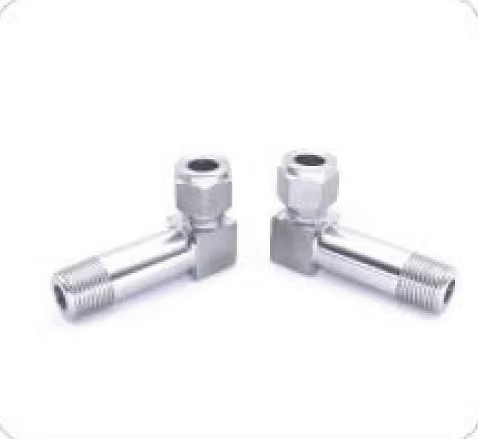
Stainless Pneumatic Manifold: From FRL to Cylinder
Building a stainless pneumatic manifold: when stainless FRL is worth it, filter-regulator-lubricator basics, distribution manifolds, and the component chain spec.
Read article →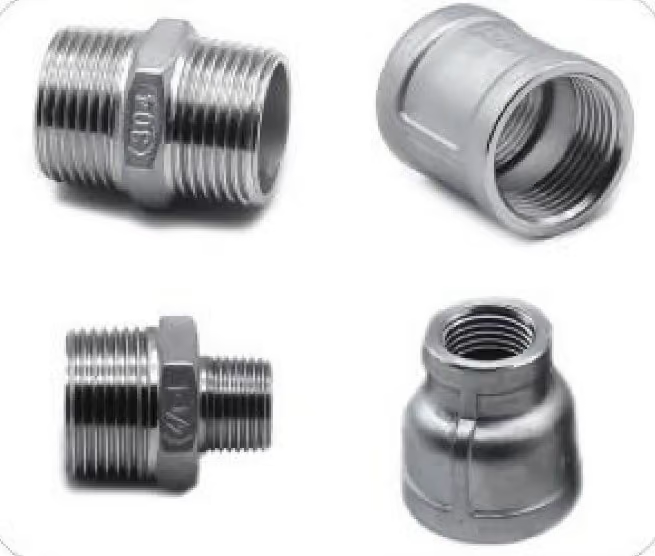
Cylinder Connectors: The Last Fitting Before the Motion
Cylinder port connectors: M5 and G-thread port conventions, push-in vs compression vs threaded, vibration behavior at the rod end, and the NPT-on-BSPP trap.
Read article →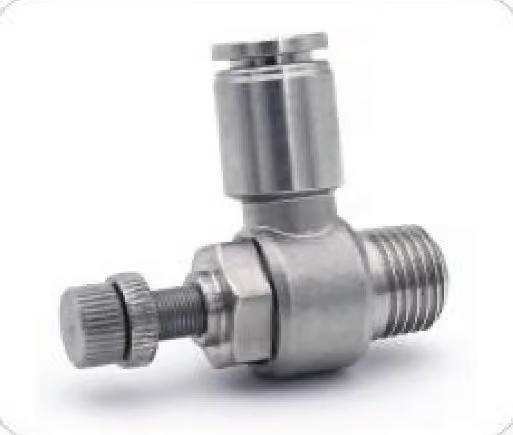
Air Throttle Valves: Controlling Cylinder Speed, Not Pressure
Air throttle valves explained: meter-out as the default for cylinder stability, the check-valve construction, mounting at the cylinder port, and why cylinders still run fast.
Read article →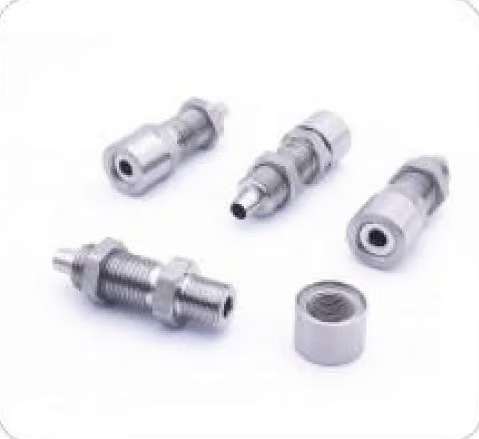
Inline Filters: Protecting the Instrument You Just Paid For
Inline filters for instrument lines: what commissioning debris does to valves and transmitters, element choices and micron ratings, placement, and ΔP maintenance.
Read article →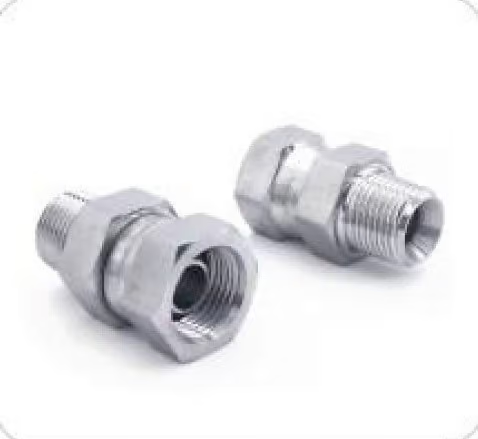
Pneumatic Silencers: Quiet Exhaust Without Contamination
Pneumatic silencers explained: how sintered elements cut exhaust noise, the clogging failure that slows valves, and when stainless bodies are the right spec.
Read article →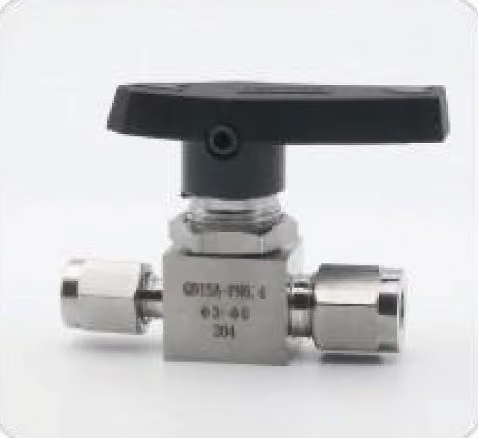
RFQ Glossary: 25 Terms Every Fittings Buyer Gets Wrong
The RFQ glossary: 25 terms that decide whether a quote comes back right — sizes, threads, pressure classes, materials and certificates, defined once.
Read article →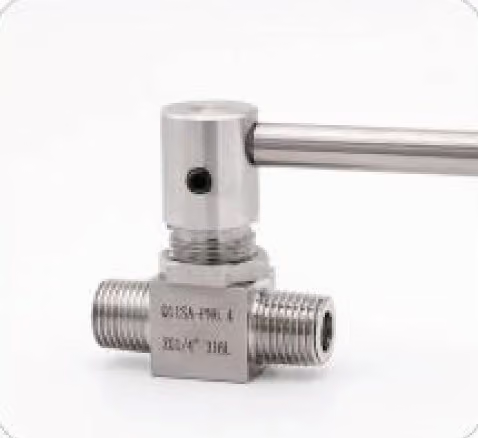
Tube Bend Radius Rules: How Tight Can Stainless Tubing Go?
Tube bend radius rules for stainless instrument tubing: why 3× OD is the working minimum, the thin-wall penalty, temper effects, and fitting straight-length needs.
Read article →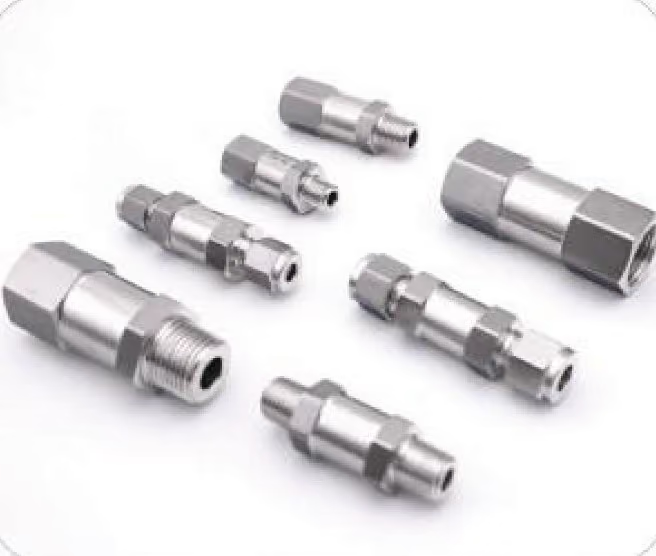
Orifice Union Fittings: Restricting Flow in Instrument Lines
Orifice union fittings: precision-drilled restriction plates inside a union body — bore sizing, protecting transmitters, damping impulse lines, and why not to drill your own.
Read article →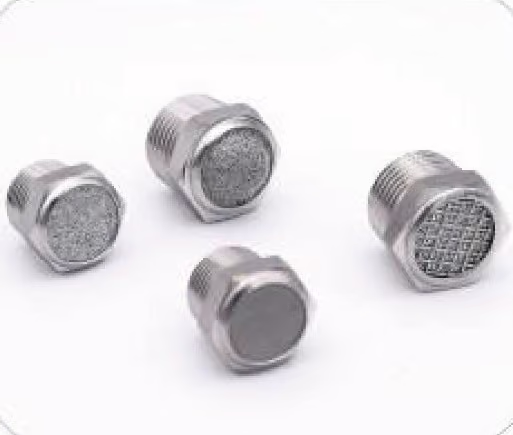
Gauge Snubbers: The Small Part That Saves an Expensive Gauge
Gauge snubbers explained: how a fixed orifice, porous disc or piston snubber damps pulsation, sizing by fluid viscosity, and why a snubber is not a gauge valve.
Read article →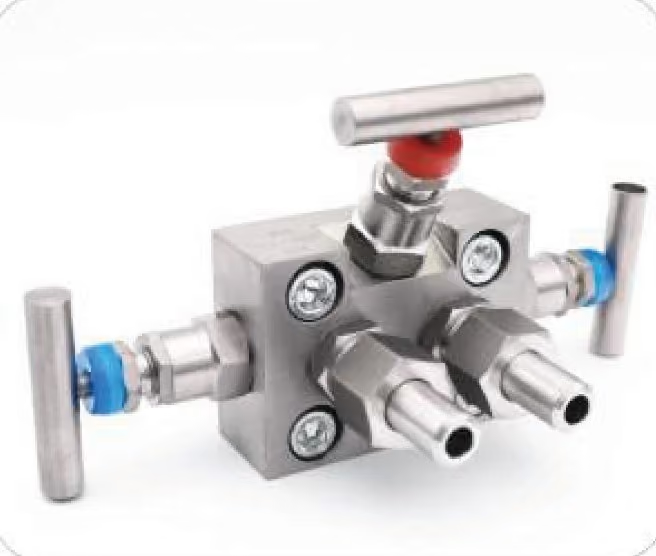
Instrument Manifold Styles: 2, 3 and 5 Valves Explained
Instrument manifolds explained: 2-valve gauge isolation, 3-valve differential transmitter manifolds with equalizing sequence, 5-valve calibration without shutdown.
Read article →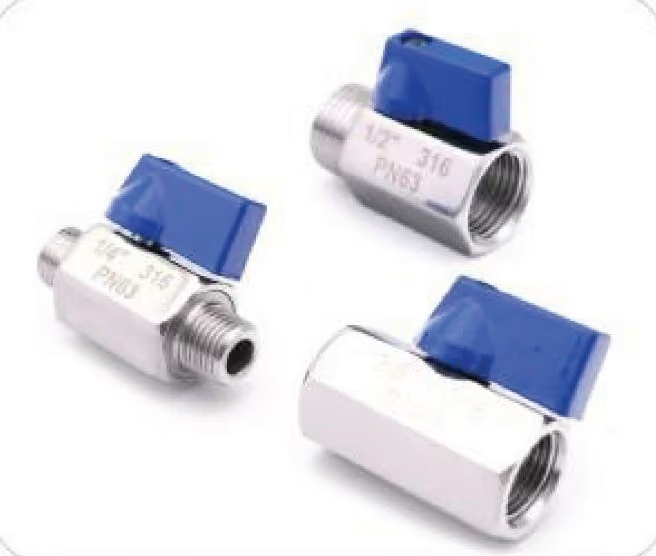
Valve Sizing Gone Wrong: Why Bigger Is Sometimes Worse
Oversized valve problems: ball valve Cv values, near-seat throttling erosion, controllability bands, rangeability and why line-size matching mis-sizes valves.
Read article →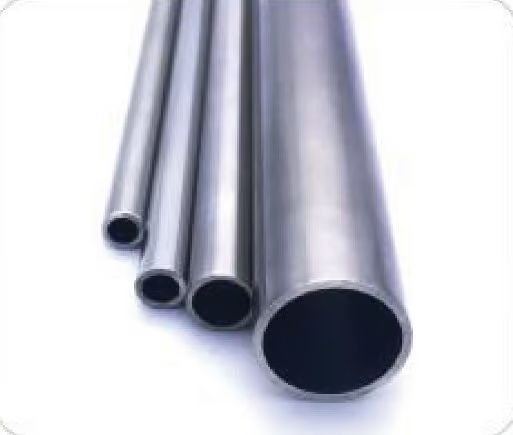
Tube Clamp Spacing: Preventing Vibration Failures
Instrument tube clamp spacing guide: recommended support spans by tube OD, clamp types, where not to clamp, and why guides — not codes — set the numbers.
Read article →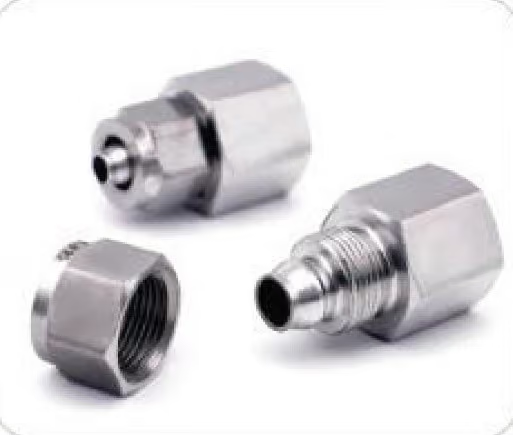
Quick-Screw vs Compression: The Bite That Sets Them Apart
Quick-screw vs compression fittings: how DIN 2353 bite-type and push-on quick-screw fittings grip, pressure classes, reassembly and where each belongs.
Read article →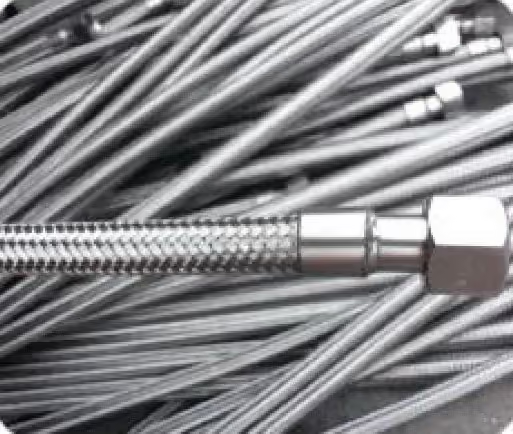
Expansion Joint Movement: Axial, Lateral, Angular Explained
Stainless expansion joint movement types: which bellows absorbs axial, lateral and angular, how to calculate thermal growth, anchors, guides and cycle life.
Read article →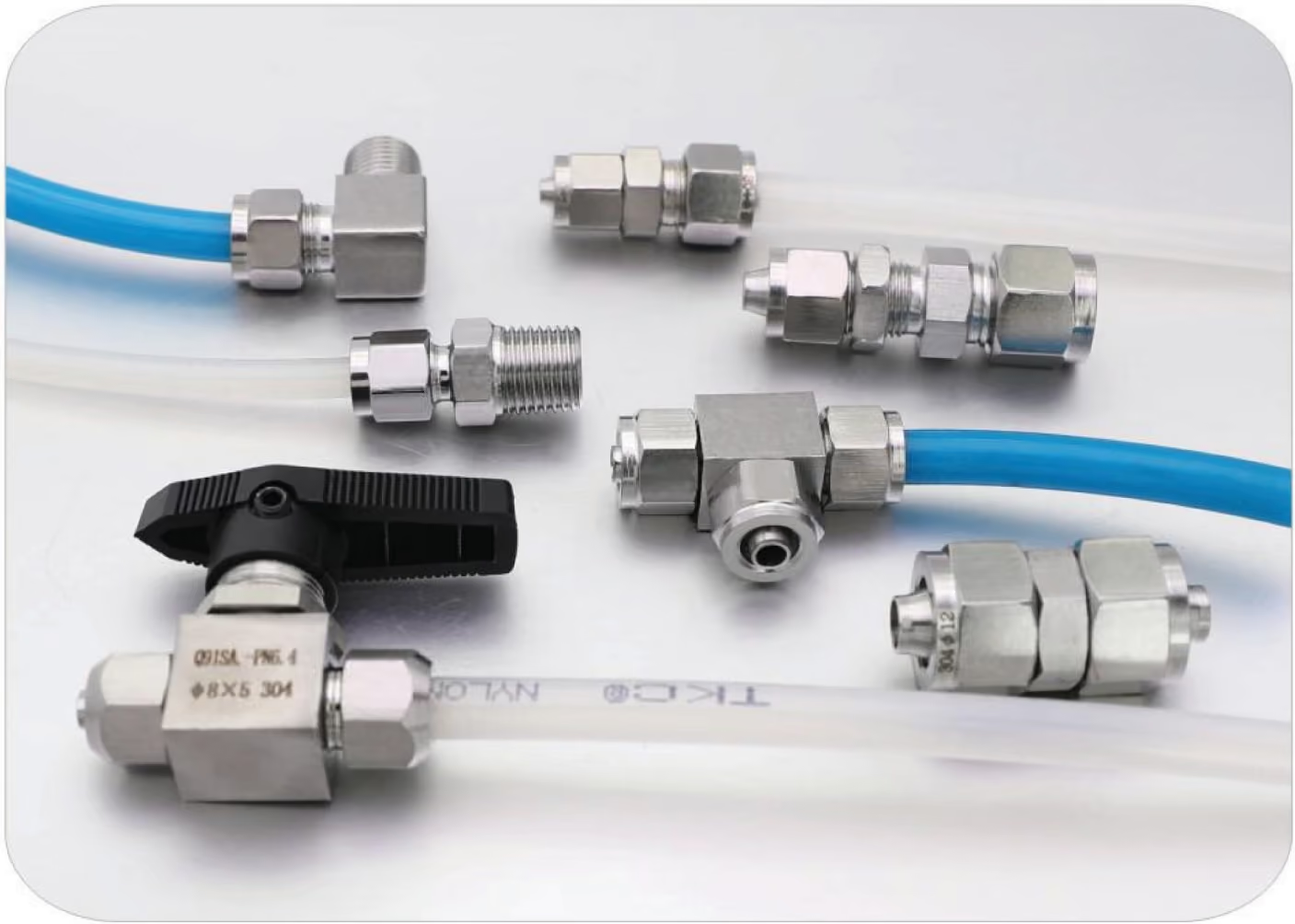
Push-to-Connect on Stainless: Limits of Metal Pneumatics
Stainless push-to-connect fittings: how the seal really works, tube hardness and tolerance limits, pressure and temperature bands, and where compression still wins.
Read article →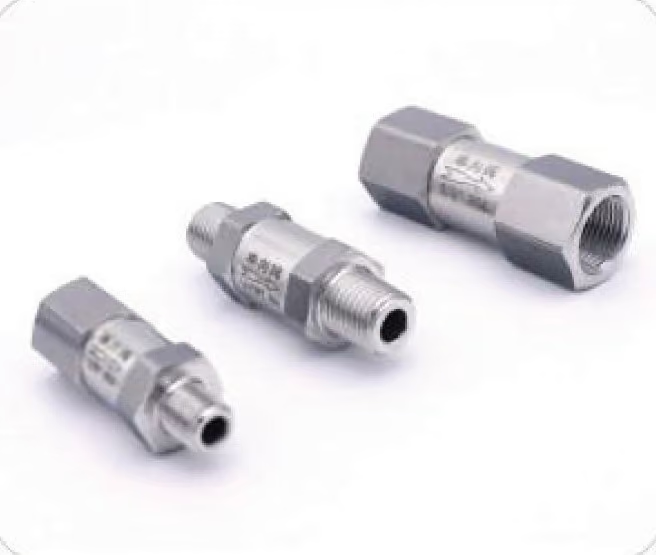
Check Valve Cracking Pressure: The Number Buyers Get Wrong
Check valve cracking pressure explained: definition, typical ranges by valve type, the reseal trap, when it matters, and how to write it on the RFQ.
Read article →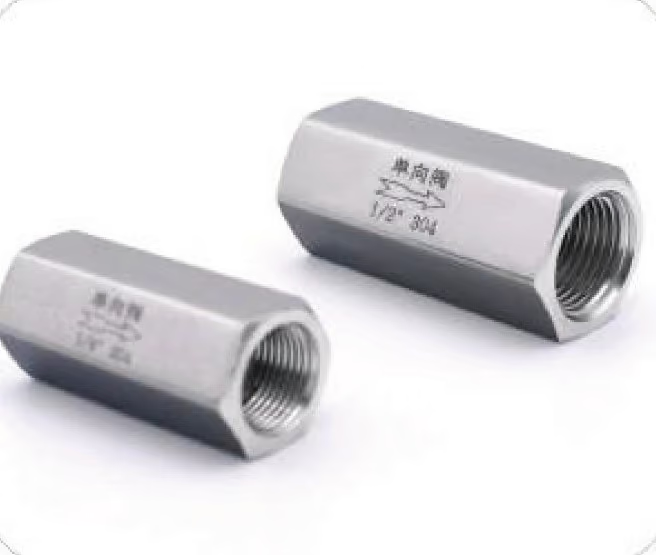
How to Read Valve Symbols on a P&ID (Buyer's Walkthrough)
Read valve symbols on a P&ID: what the bowtie forms mean, what they never tell you (class, ends, seat, trim) and how to turn the symbol list into an RFQ list.
Read article →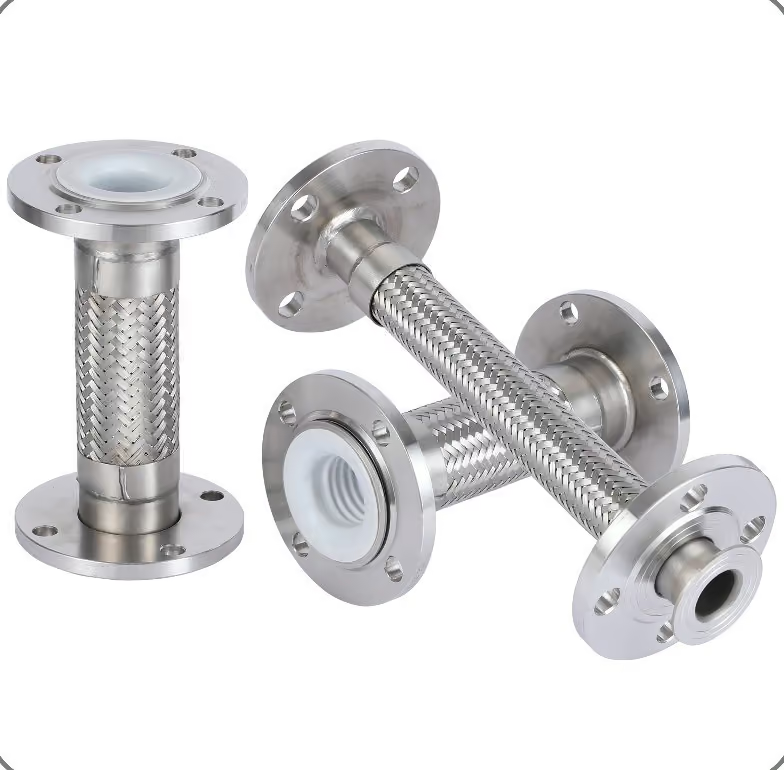
How to Specify a Metal Hose Assembly: A Guide
How to specify a corrugated metal hose assembly: media, pressure, temperature, length, end connections, movement duty and test documentation for a clean RFQ.
Read article →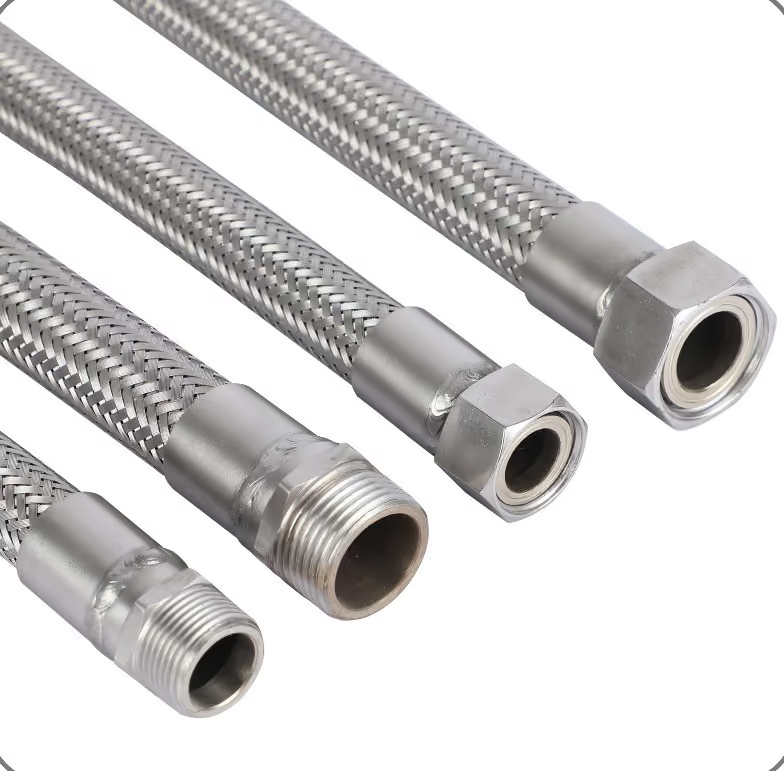
Corrugated vs Braided Stainless Hose: How to Choose
Corrugated stainless steel hose vs braided hose: how the corrugated core and wire braid work together, flexibility vs pressure, and how to choose.
Read article →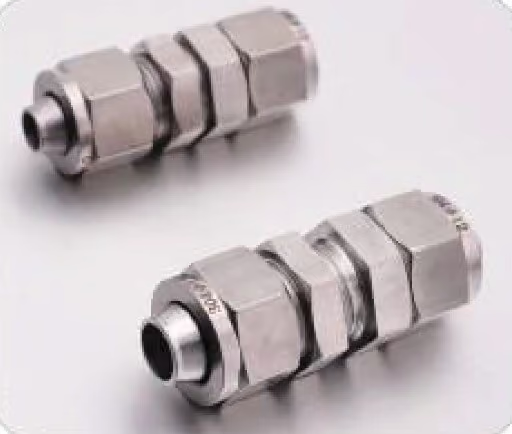
Instrument Impulse Lines: What They Are and How to Route Them
Impulse lines: the small-bore tube between process tap and transmitter — slope and drainage routing rules, tube vs pipe, freeze protection, and manifolds.
Read article →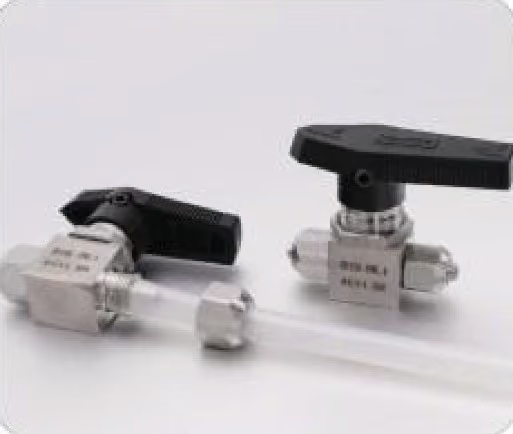
Needle Valve vs Globe Valve: The Instrument-Grade Difference
Needle valve vs globe valve: the needle is the globe-family member built for fine instrument control — trim, precision and duty compared for instrument lines.
Read article →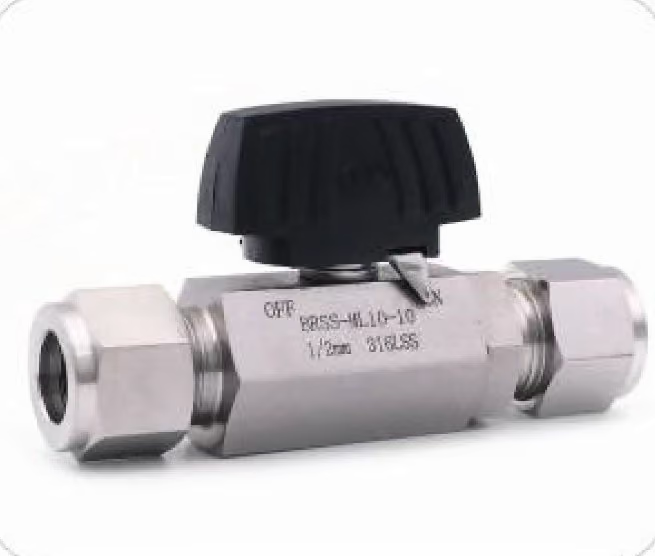
Proof Pressure vs Burst Pressure vs Working Pressure
Working, proof and burst pressure on a datasheet: what each number is for, the 1.5x test convention, CWP vs WOG terminology, and what to state on the RFQ.
Read article →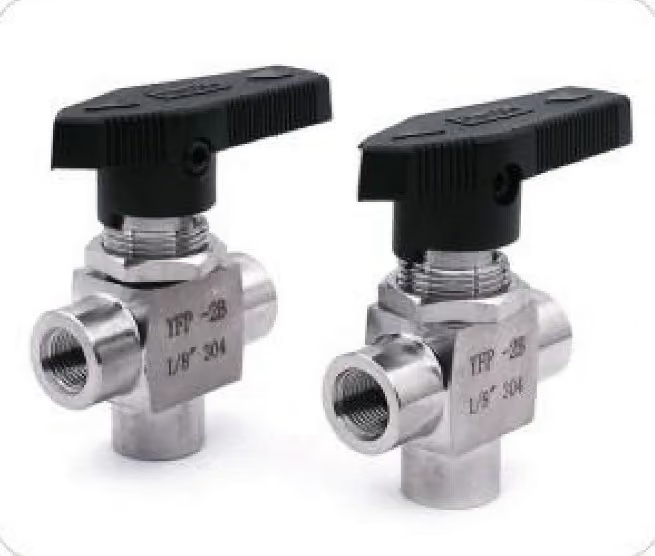
What Is Cv? Valve Flow Coefficient Explained for Buyers
What Cv means on a valve datasheet: the GPM-per-psi flow coefficient definition, what high and low Cv tell instrument buyers, and how to use maker Cv tables.
Read article →
How to Bend Stainless Steel Tubing Without Kinking
How to bend stainless steel tubing without kinking: minimum bend radius by tube size, hand bender technique, springback, and when to use an elbow instead.
Read article →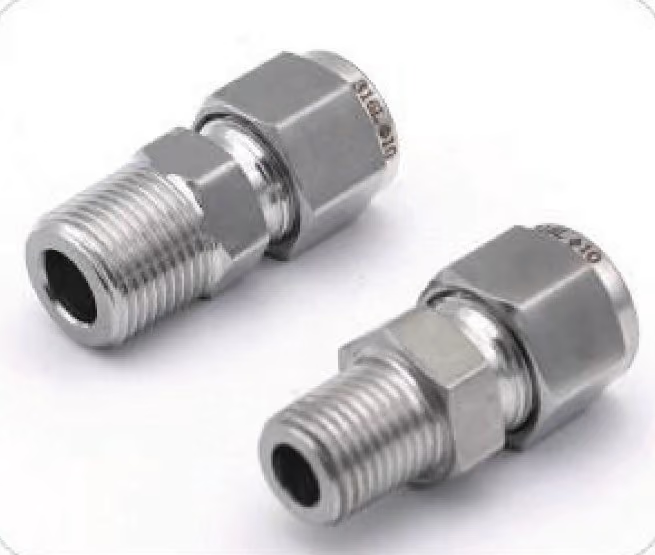
Bite-Type Fittings Explained: DIN 2353 and the 24-Degree Cone
Bite-type fittings explained: DIN 2353 compression fittings, the 24-degree cone and cutting ring, LL/L/S series and their working pressure ranges.
Read article →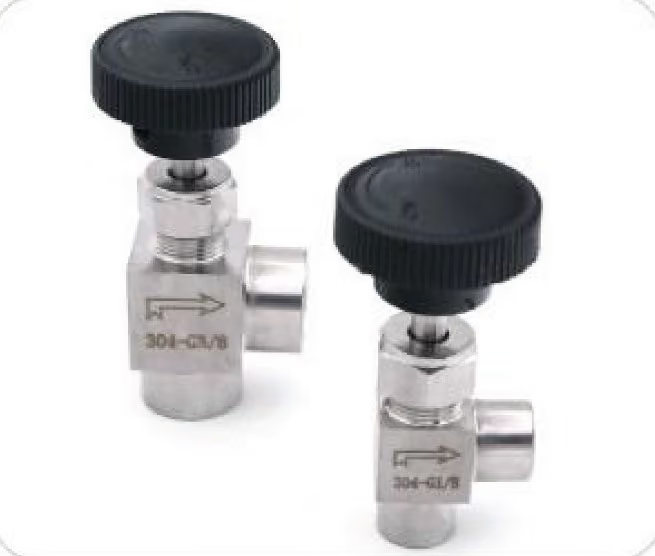
Double Block and Bleed Valves Explained: Two Barriers Plus a Bleed
Double block and bleed valves explained: two barriers plus a bleed for positive isolation, single vs double configurations, and gauge duty guidance.
Read article →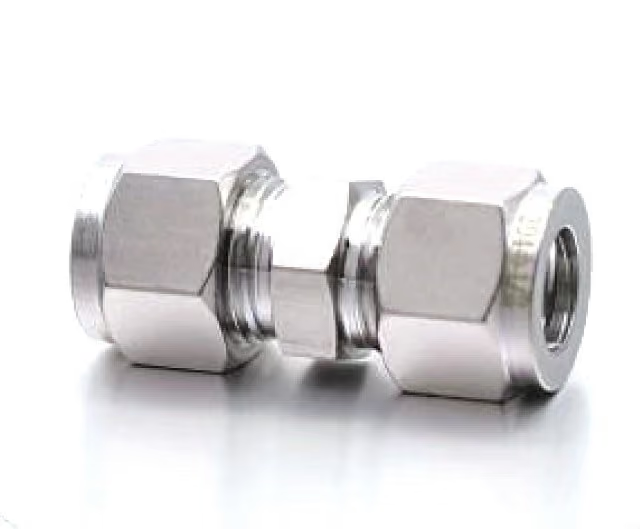
Flare vs Compression Fittings on Stainless Tube: Which to Use
Flare vs compression fittings on stainless tube: metal-to-metal cone seal against ferrule bite, the tooling each needs, and where each connection wins.
Read article →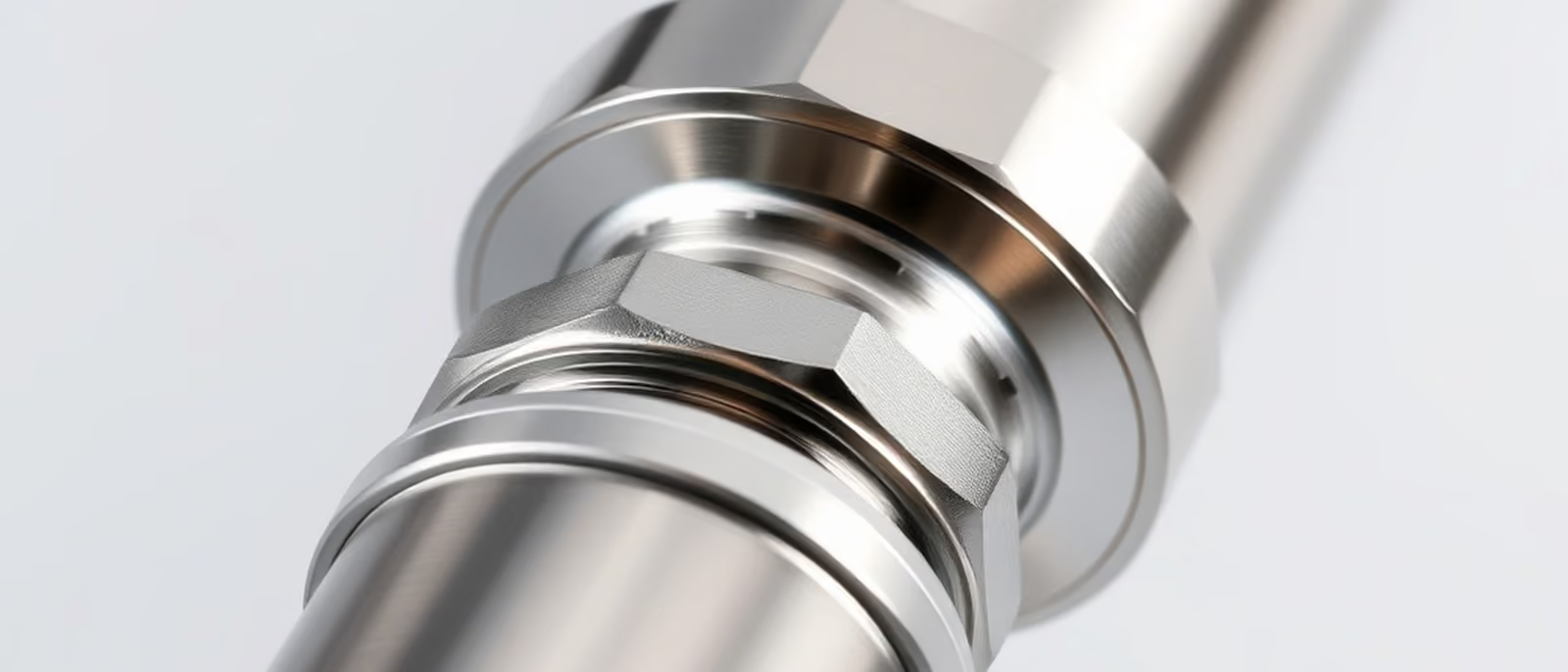
Pipe vs Tube: What's the Difference (and Why It Changes the Fitting You Order)
Pipe vs tube: the difference between nominal NPS pipe sizing with schedule walls and actual-OD tube sizing, and why it changes the fitting you order.
Read article →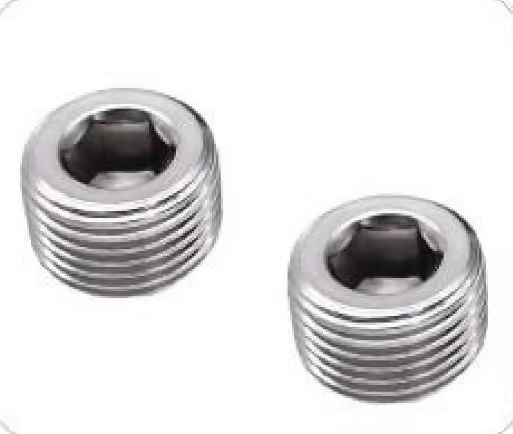
Thread Galling on Stainless Steel Fittings: Why It Seizes and How to Prevent It
Thread galling on stainless steel fittings: why austenitic threads seize, how to prevent galling during assembly, and what to do when a joint galls.
Read article →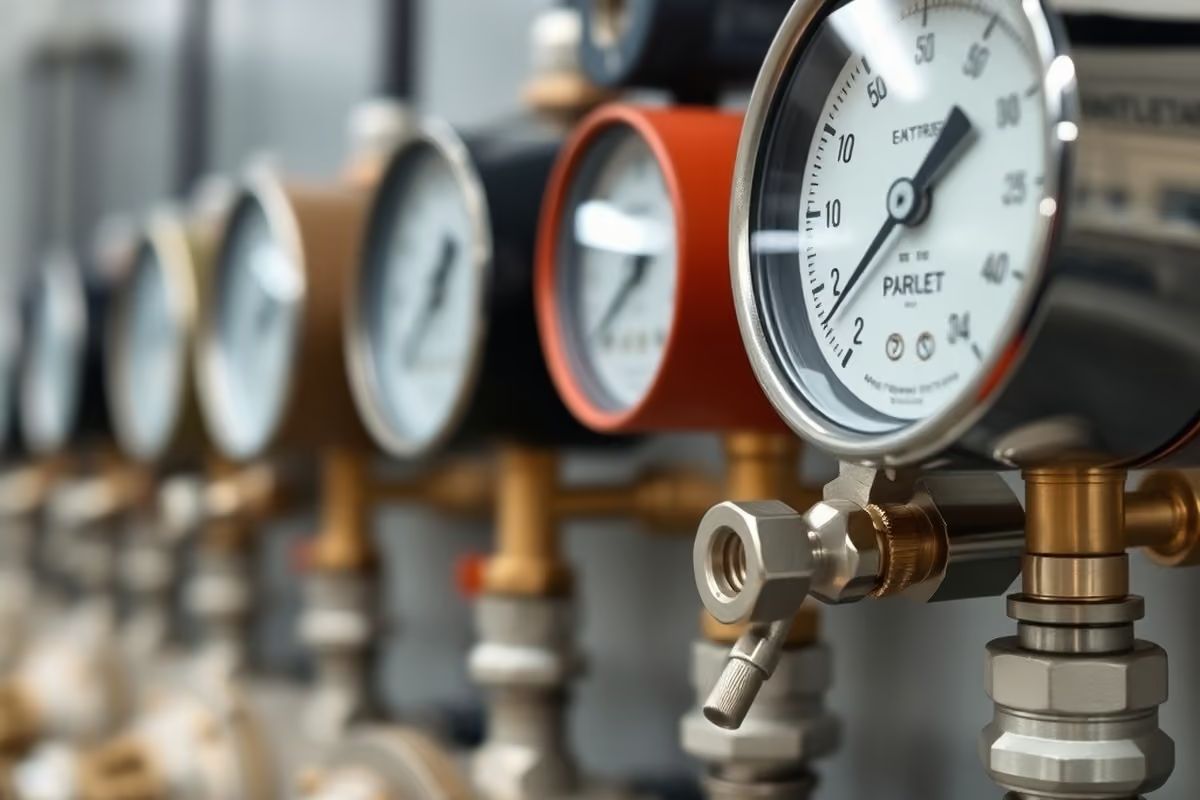
What Are Instrumentation Fittings? A Definition-First Guide
What are instrumentation fittings? The definition, the families (compression bodies, instrument valves, manifolds) and why they are 316 stainless.
Read article →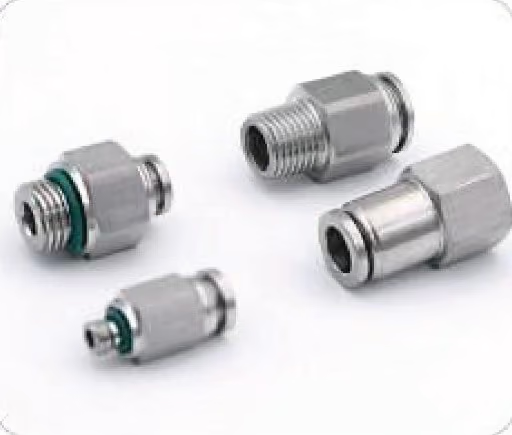
How Do Push-to-Connect Fittings Work (and Are They Reliable)?
How push-to-connect fittings grip and seal: collet teeth, O-ring seal, tube OD tolerances, pressure limits, installation steps, and when compression fittings are better.
Read article →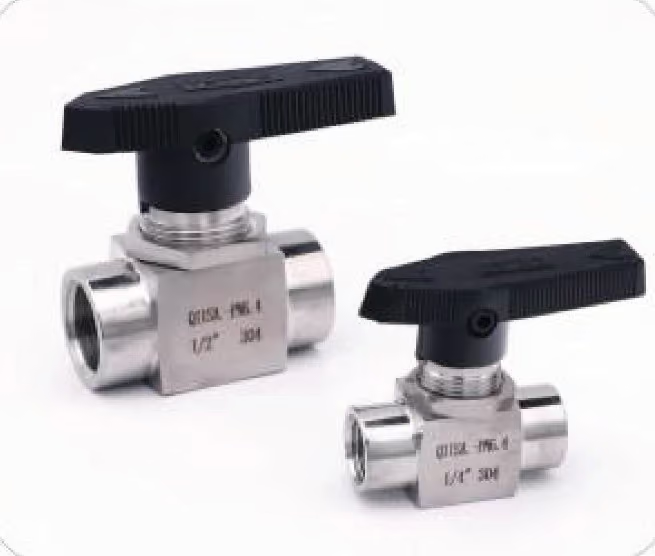
1-Piece vs 2-Piece vs 3-Piece Ball Valve: Which to Spec
1-piece vs 2-piece vs 3-piece stainless ball valves: how body construction affects cost, inline repair, pressure rating and which design to spec for your line.
Read article →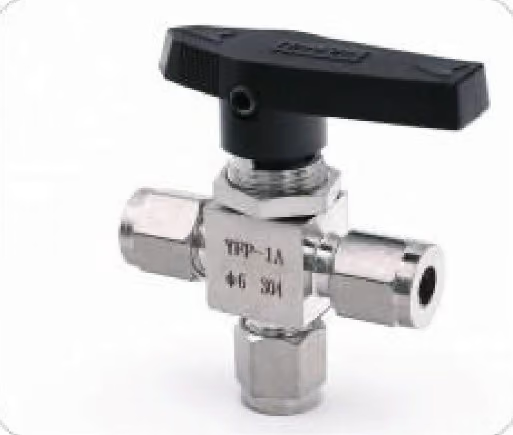
3-Way Ball Valves: L-Port vs T-Port, How They Work
How 3-way stainless ball valves work: L-port vs T-port flow paths, mixing vs diverting duty, and how to spec port pattern, size and seals on an RFQ.
Read article →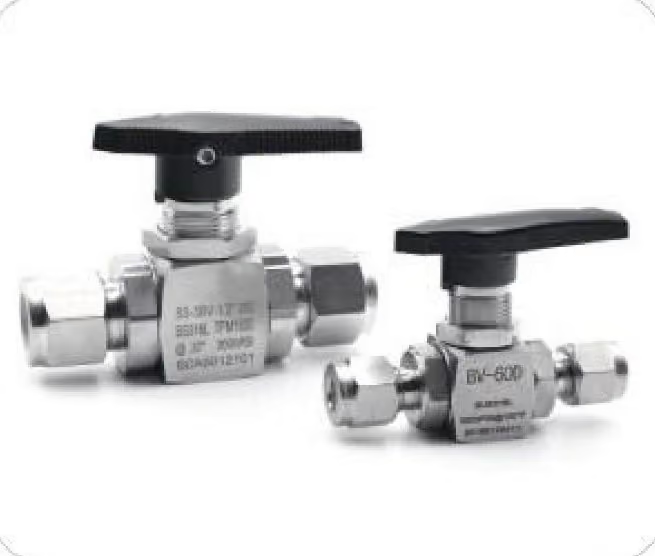
Ball Valve Ratings Explained: 1000 WOG vs 2000/3000 PSI
What 1000 WOG, 2000 PSI and 3000 PSI stainless ball valve ratings actually mean, how temperature derates them, and how to spec the right pressure class.
Read article →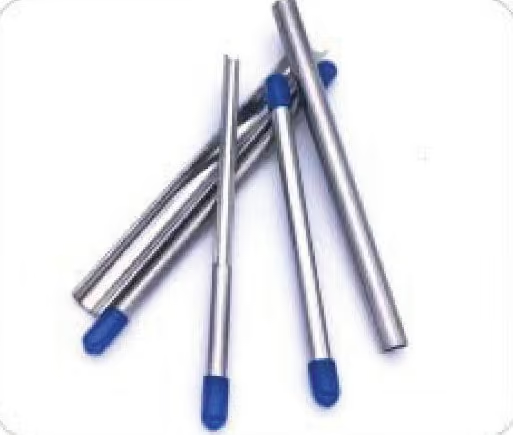
What Is Bright Annealed (BA) Tubing and Why Instrumentation Uses It
Bright annealed tubing explained: the hydrogen-atmosphere annealing process, BA surface finish numbers, why instrumentation and high-purity lines specify it.
Read article →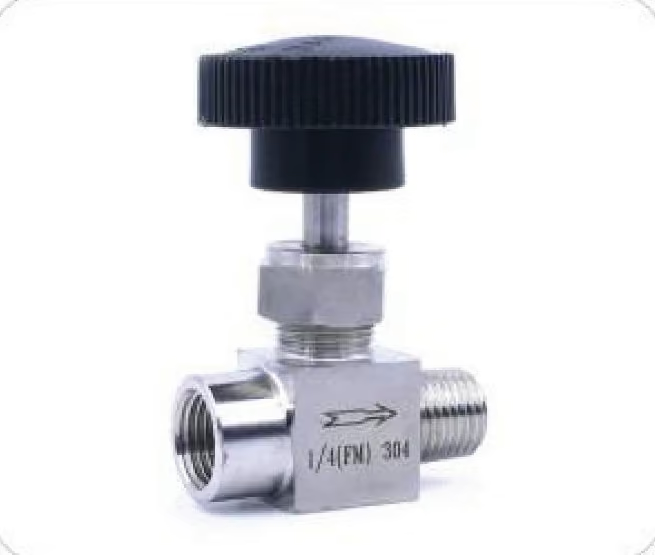
Can a Needle Valve Regulate Pressure? How It Works
Do needle valves reduce pressure? Yes, while flow passes — but a needle valve is not a regulator and cannot hold downstream pressure as flow varies.
Read article →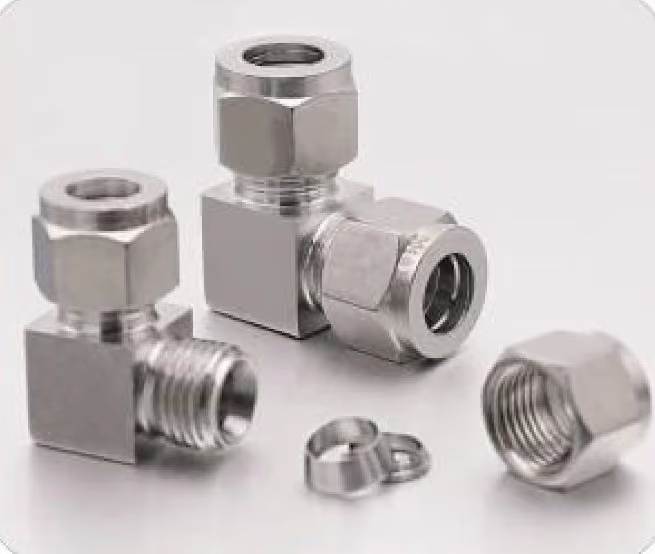
Compression Fitting Leaks: Causes and How to Fix
Compression fitting leaks diagnosed: the symptom-to-cause table covering weeps, pull-outs, hot leaks and remade joints, with the correct fix for each.
Read article →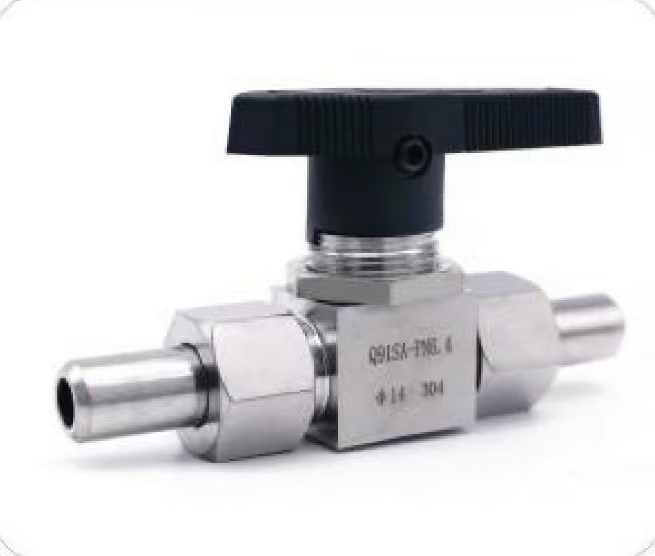
Full Port vs Reduced Port Ball Valves: Which to Use
Full port vs reduced port stainless ball valves: flow coefficient, pressure drop, pigging and when a reduced bore valve is the right cheap choice.
Read article →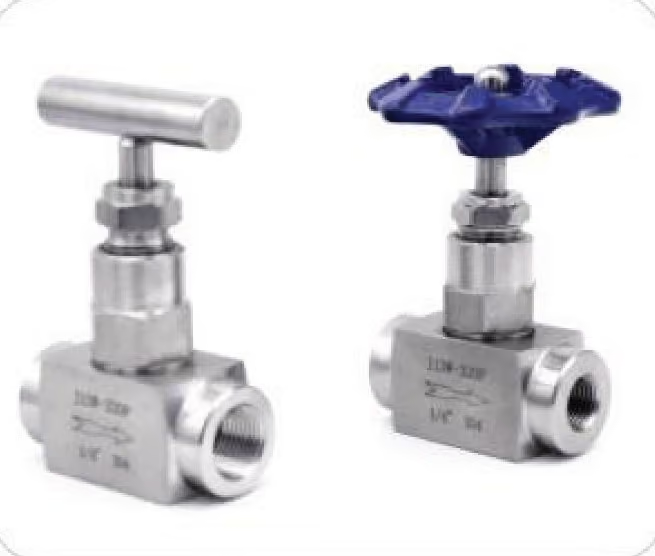
High-Pressure Needle Valves: Integral vs Union Bonnet
High-pressure needle valves: integral vs union bonnet designs, typical 6000 and 10000 psi classes, packing choices, and which construction to spec on an RFQ.
Read article →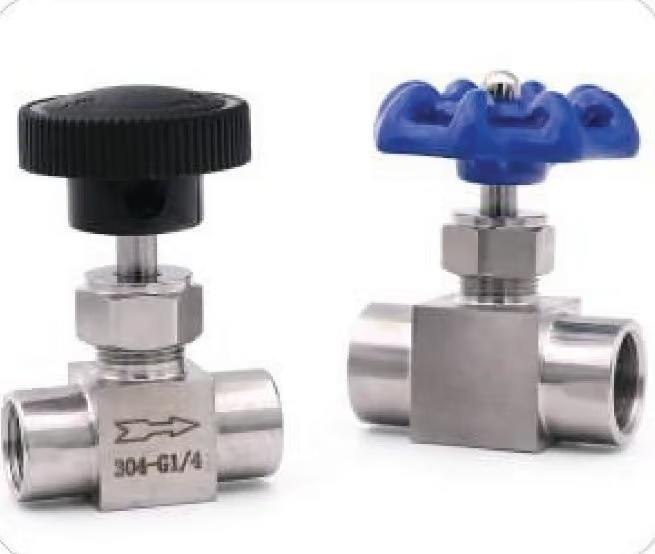
How Does a Needle Valve Work (and Where to Use One)
How a stainless steel needle valve works: tapered needle and seat mechanics, non-rotating stems, flow direction, and where needle valves belong on a panel.
Read article →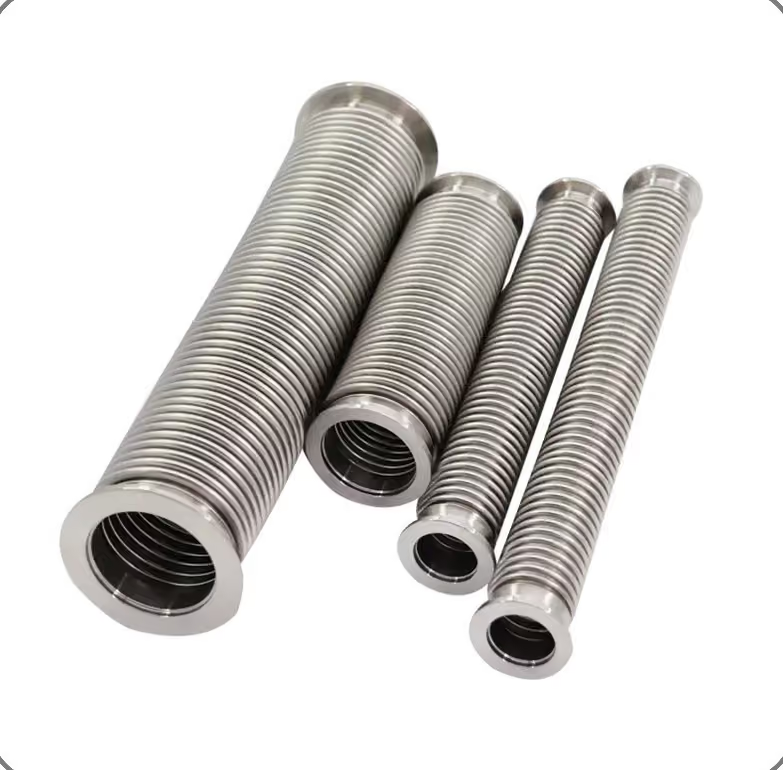
KF (NW) Vacuum Fitting Sizes Explained: KF16/25/40/50
KF vacuum fittings sizes explained: KF16, KF25, KF40 and KF50 bores, flange dimensions, O-ring and clamp system, materials and when ISO-K takes over.
Read article →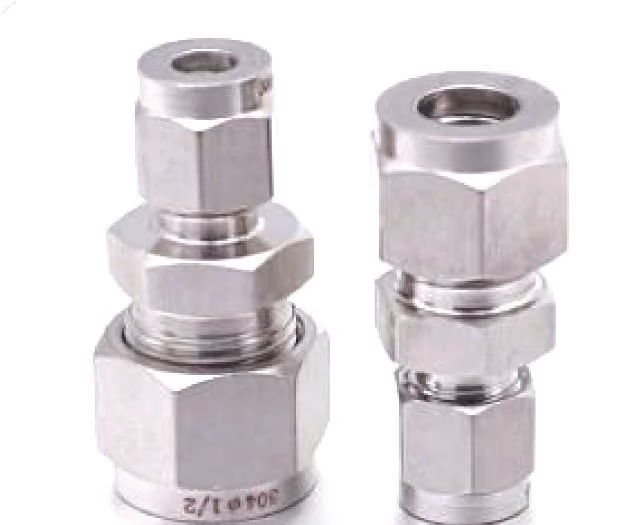
Metric vs Fractional Tube Sizes for Compression Fittings
Metric compression fittings vs fractional inch tube sizes: the conversion table, why 6 mm is not 1/4 inch, and how to avoid mixed-system ordering mistakes.
Read article →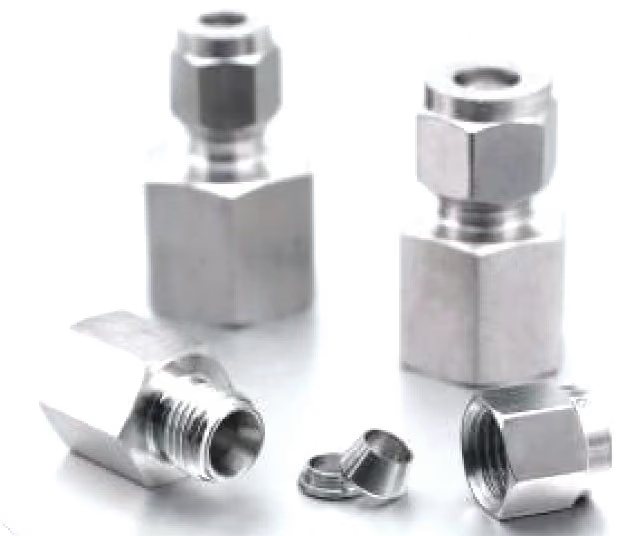
Push-to-Connect vs Compression on Stainless Tubing
Push to connect on stainless steel tubing: when a push-in series approves rigid tube, when compression fittings win, and how to choose for OEM panels.
Read article →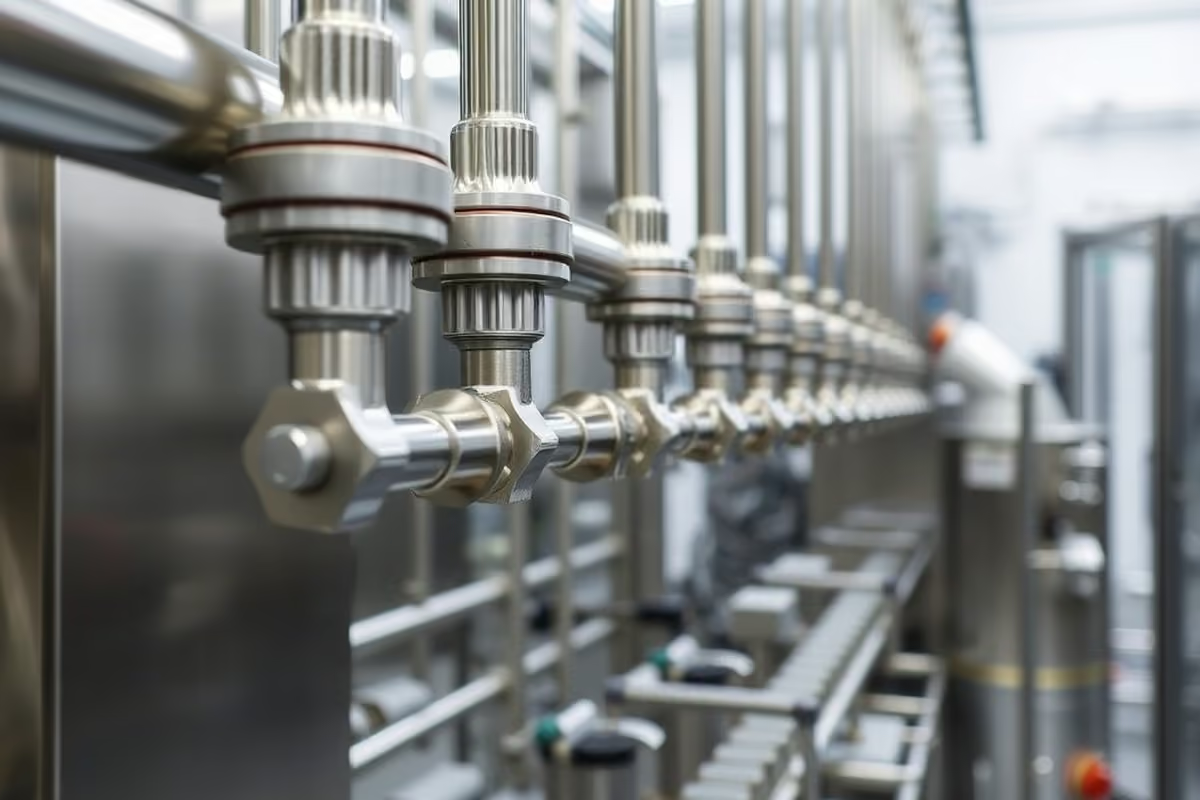
Sanitary Stainless Fittings: When Food-Grade Specs Matter
Sanitary stainless fittings: when food-grade specs like 316L, Ra surface finish and crevice-free design matter — and when industrial fittings pass.
Read article →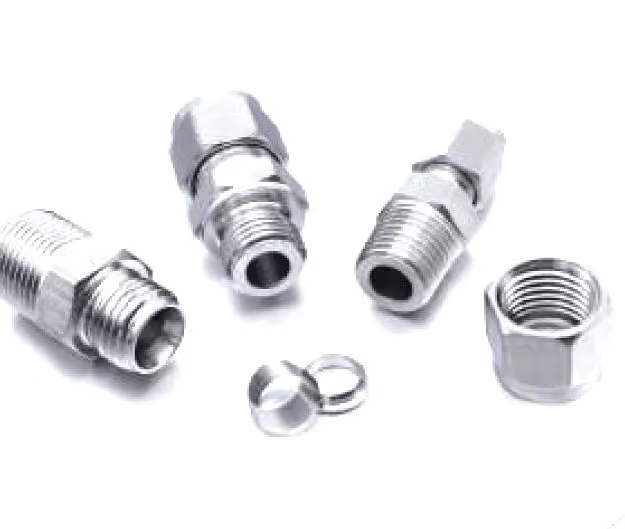
Can You Use Stainless Compression Fittings on Copper or Plastic Tubing?
When stainless steel compression fittings work on copper, nylon, PEX or PTFE tube — ferrule material rules, insert requirements, pressure limits, and the failure modes to avoid.
Read article →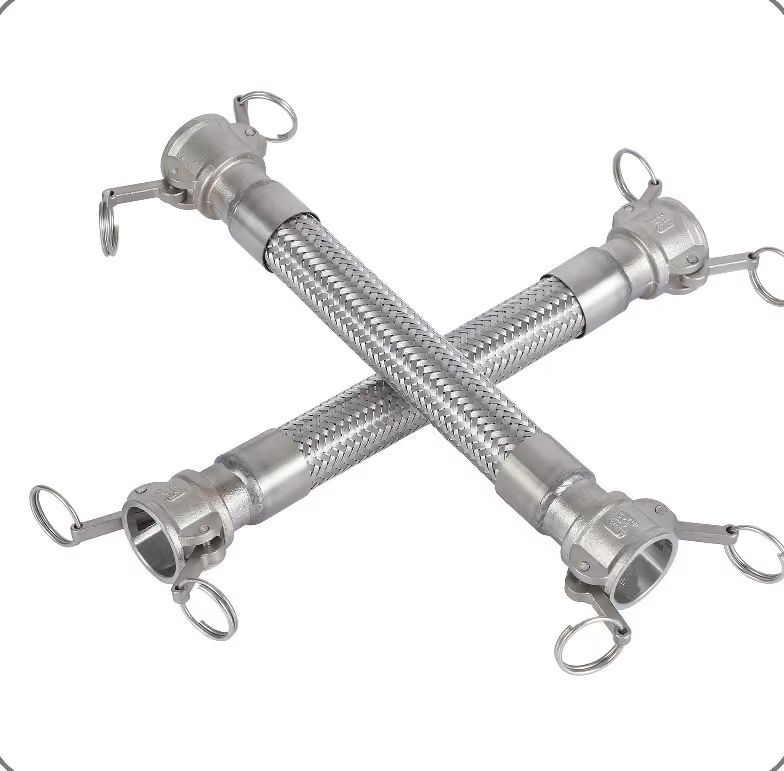
How Long Do Stainless Steel Hoses Last? Lifespan
What kills stainless steel hose life: flex fatigue, bend radius abuse, chlorides and velocity, plus inspection signals and handling rules that extend it.
Read article →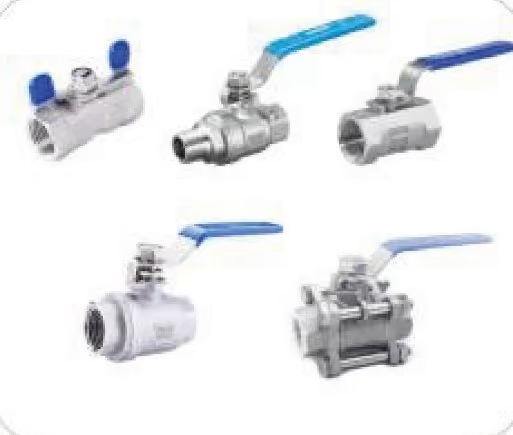
Stainless Steel vs Brass Ball Valves: A Guide
Stainless steel ball valve vs brass: dezincification risk, chloride and temperature limits, pressure classes, cost gap — and the honest verdict per duty.
Read article →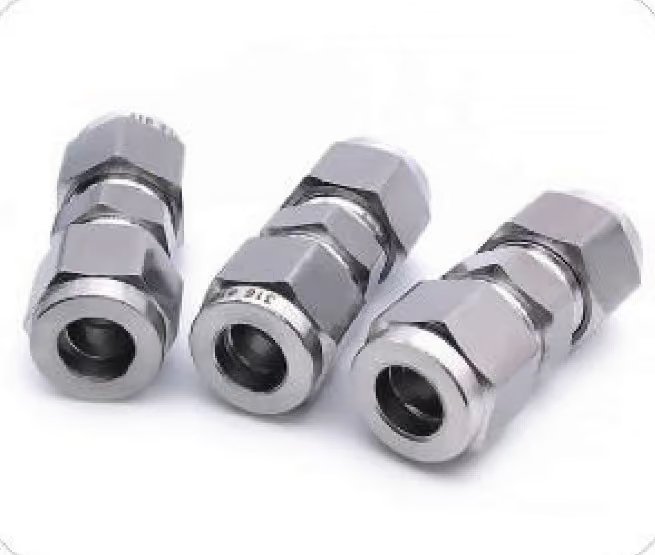
Tri-Clamp vs Threaded vs Flanged for Sanitary Lines
Tri clamp vs flange vs threaded connections on sanitary lines: teardown speed, hygiene, pressure and cost trade-offs — and where each connection method belongs.
Read article →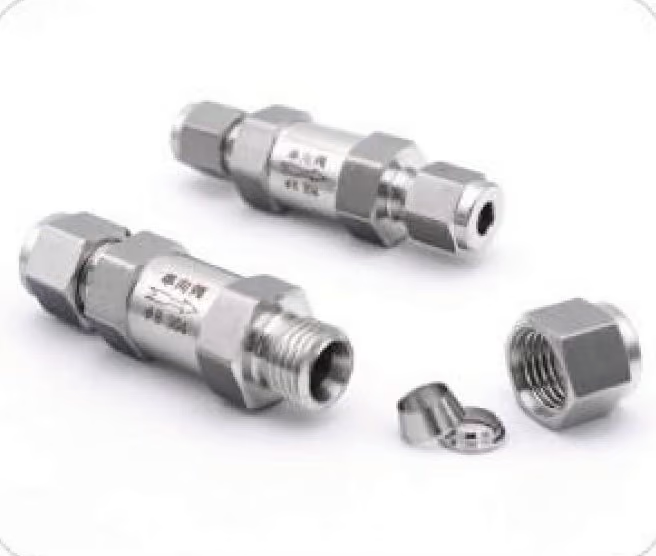
Types of Stainless Check Valves: Spring vs Swing vs Dual-Plate
Stainless steel check valve types compared: spring/piston, swing and dual-plate designs, cracking pressure ranges, orientation rules and where each type fails.
Read article →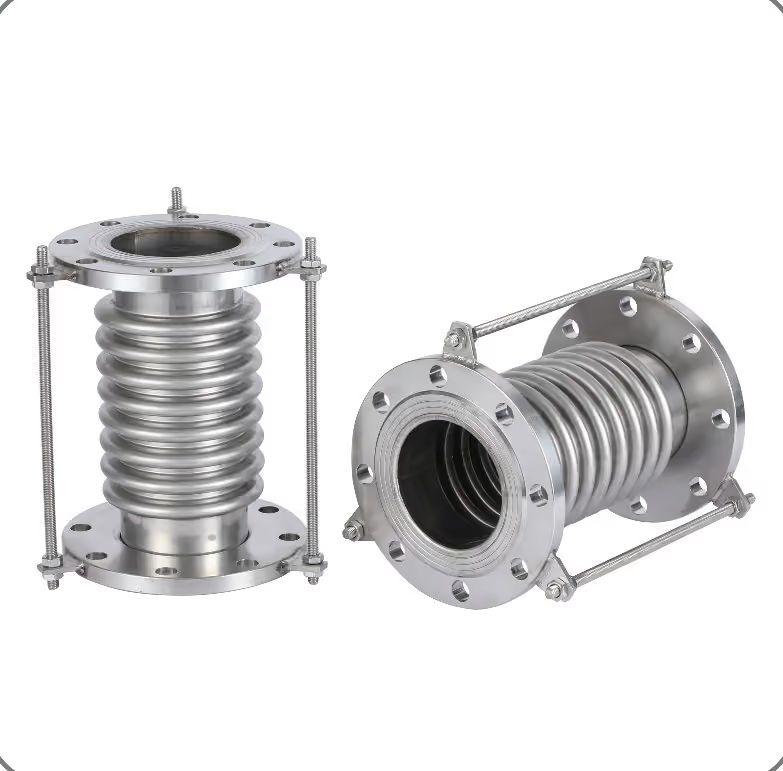
Why Piping Needs Expansion Joints
Why piping needs a stainless steel expansion joint: thermal growth numbers, what happens when movement has nowhere to go, loops vs bellows, and anchor rules.
Read article →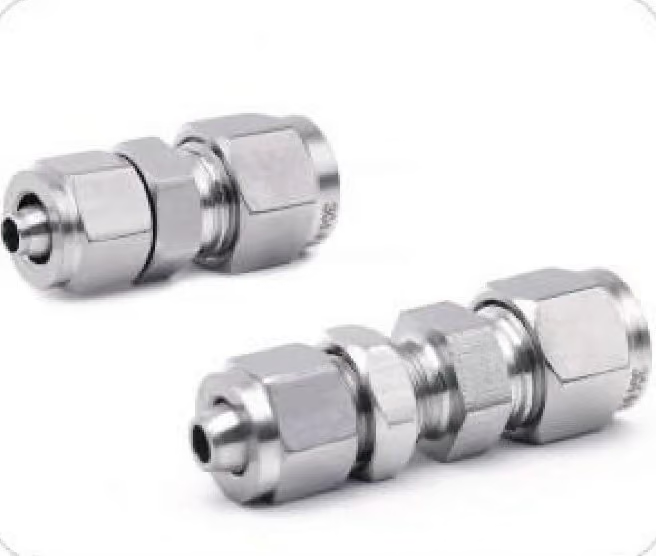
Single Ferrule vs Double Ferrule Fittings: Which Should You Spec?
Single-ferrule vs double-ferrule compression fittings: how each seals and grips the tube, DIN 2353 bite-type designs, pressure classes, and which to spec for vibration or gas service.
Read article →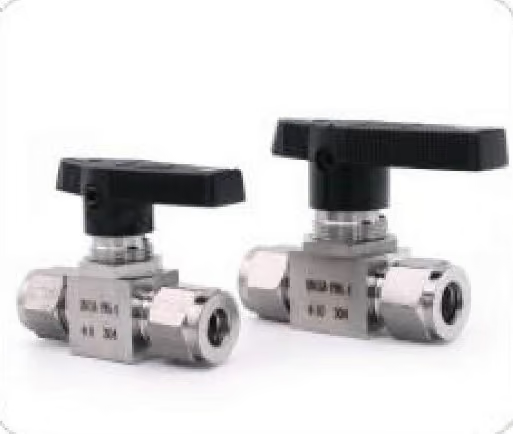
Check Valve vs Ball Valve on Stainless Lines
Check valve vs ball valve: one-way flow protection versus shutoff. When to use FerruleX stainless check valves with compression or female thread ends.
Read article →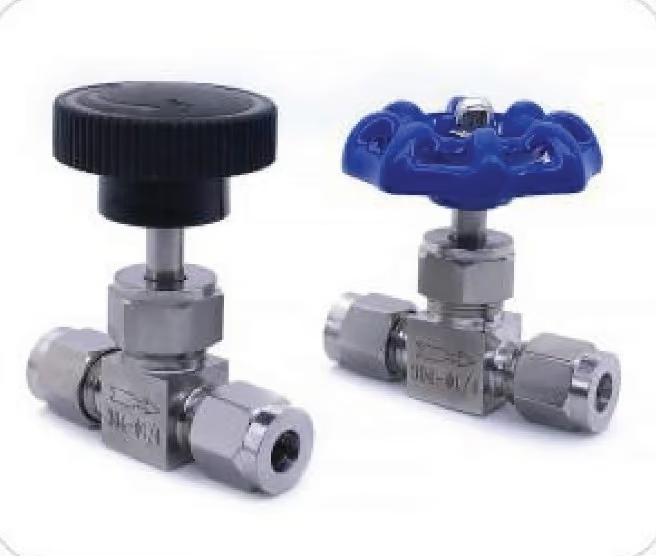
Needle Valve vs Ball Valve: Which Stainless Valve to Spec
Needle valve vs ball valve for stainless instrumentation: shutoff vs metering, compression vs thread ends, and when FerruleX quotes each from the factory.
Read article →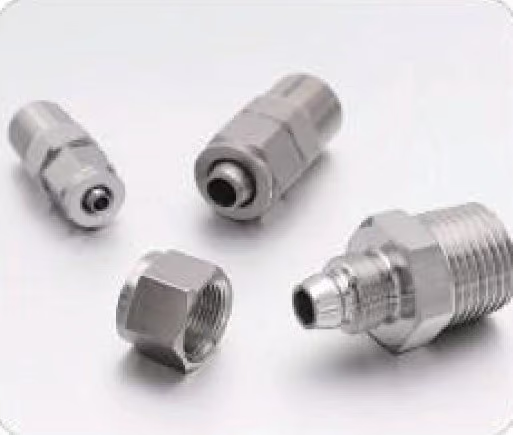
Types of Stainless Steel Tube Fittings Explained
Overview of stainless steel tube fitting types — compression, quick-screw, push-to-connect, threaded adapters and weld — and when FerruleX recommends each.
Read article →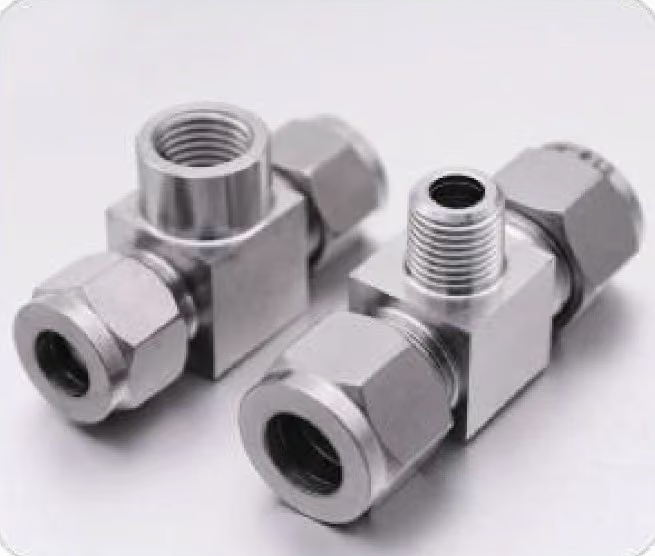
What Is a Ferrule Fitting? Types, Sizes & Uses
Ferrule fittings explained: front and back ferrules in stainless steel compression fittings, how the bite seal works, and RFQ notes from FerruleX.
Read article →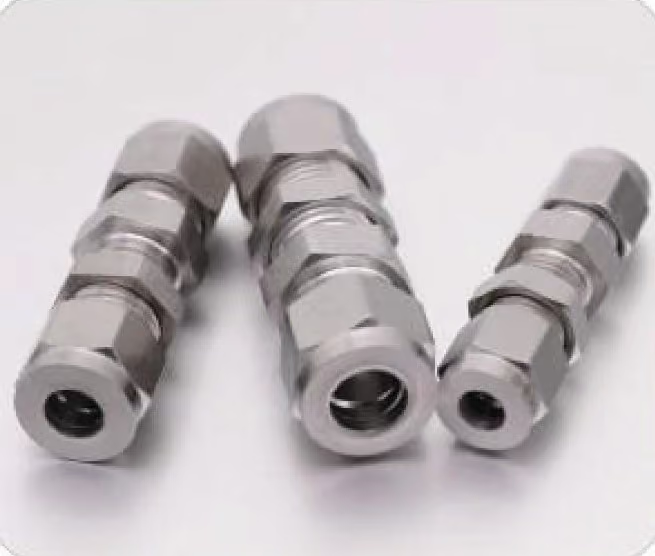
How to Install Stainless Steel Compression Fittings
Factory steps to install double-ferrule stainless steel compression fittings: cut, deburr, seat the tube, tighten, and common leak mistakes to avoid.
Read article →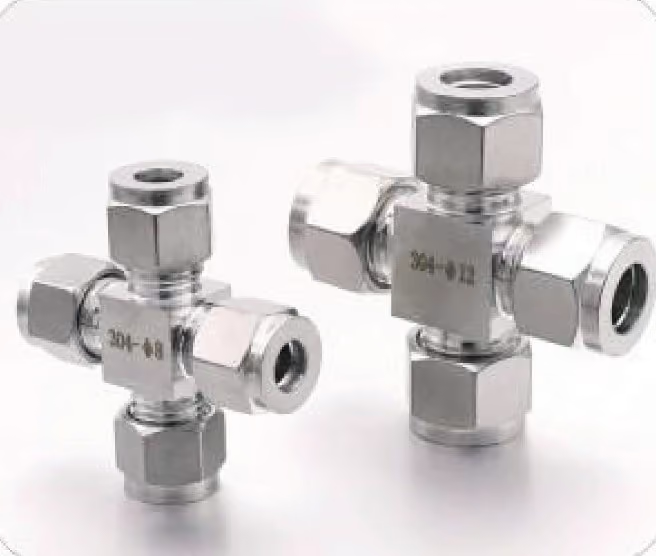
What Is a Compression Fitting? Types & How It Works
What a stainless steel compression fitting is, how double-ferrule seals work, and when FerruleX factory buyers should choose compression over weld or thread.
Read article →