Materials & Grades
SS304 vs SS316 and SS316L for stainless fittings, valves and hose: corrosion resistance, cost and when each grade ships from FerruleX factory stock.
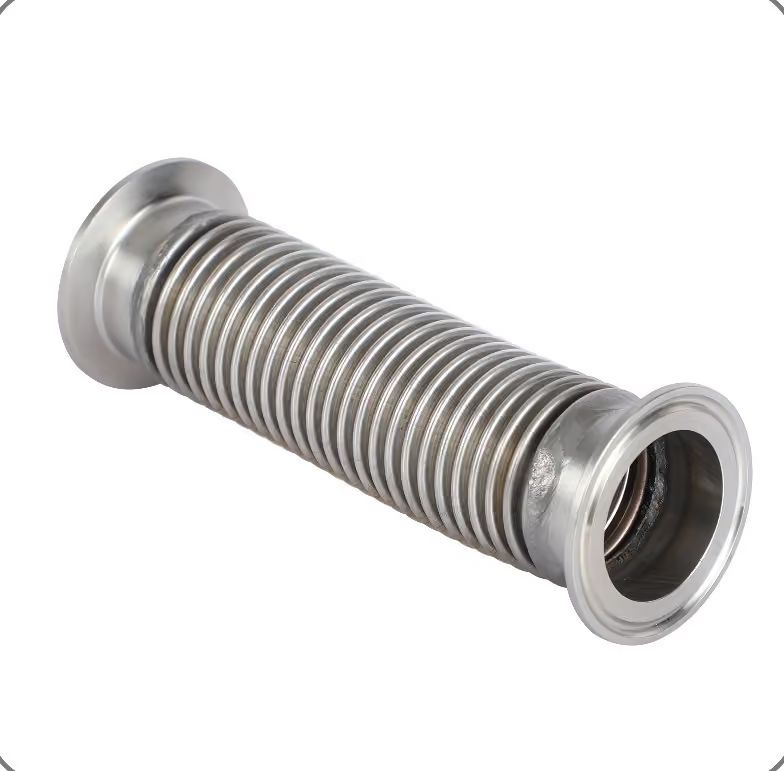
Tri-Clamp Gaskets: Sizes, Materials, and Choosing the Right One
Tri-clamp gasket sizing decoded: named by pipe size, not by measured diameter. Material temperatures for silicone, EPDM, PTFE, FKM and envelope gaskets, plus the DIN/ASME compatibility trap.
Read article →
Polyethylene vs Stainless Steel Instrument Tubing
Polyethylene vs stainless steel instrument tubing: permeation leaks you cannot hear, temperature and fire limits, vibration, and where PE lines make sense.
Read article →
Is Stainless Magnetic? 304, 316 and the Cold Work Truth
Is stainless steel magnetic? Austenitic, ferritic and martensitic behavior, why cold-worked 304 attracts a magnet, what magnetism does not tell you, and the test that works.
Read article →
Galvanic Corrosion in Mixed Fittings: The Dissimilar-Metal Rule
Galvanic corrosion in mixed-metal fittings: the seawater nobility order, the area-ratio rule, real pair behavior from carbon steel to copper, and isolation that works.
Read article →
NACE and Sour Service: When H2S Changes Your Material List
NACE MR0175 / ISO 15156 sour service basics: when the rules apply, hardness limits by alloy family, duplex envelopes, and the four numbers that decide the material.
Read article →
Oxygen Cleaning: What 'Oxygen Service' Means on a Fitting
Oxygen service cleaning explained: why oxygen attacks contaminants, CGA G-4.1 and related standards, the cleaning and inspection process, and packaging for oxygen duty.
Read article →
Steam Service on Stainless Valves: Saturated vs Superheat
Steam service on stainless valves: saturated steam temperature-pressure pairs, superheat and what it does to seals, PTFE seat boundaries, and water hammer prevention.
Read article →
Ball Valve Seat Materials: PTFE, PEEK and Reinforced Options
Ball valve seat materials compared: PTFE temperature bands, filled PTFE variants, PEEK boundaries, media compatibility limits, and how to write the seat on the RFQ.
Read article →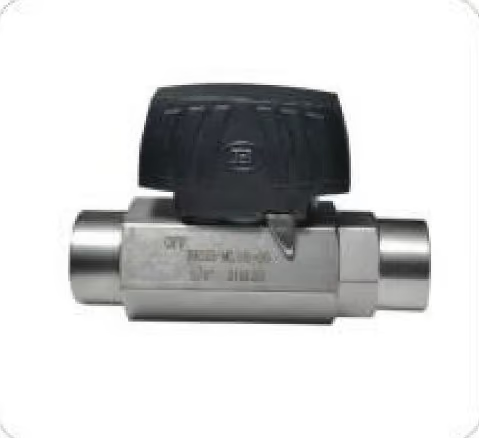
Stainless Steel Grades Chart: A Field Guide for 304 to 904L
Stainless steel grades field guide: choose 304, 316, 316L, 310S, 321, 347 or 904L by media, temperature and welding — with PREN quick-compare.
Read article →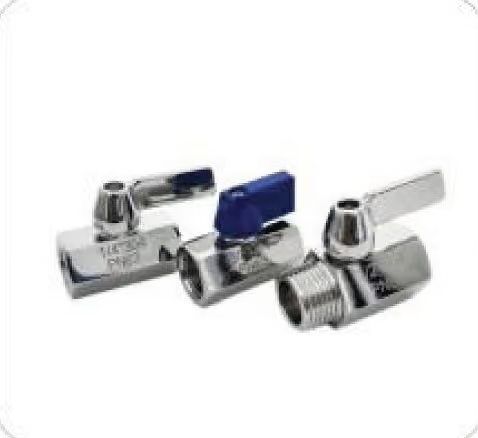
Chloride Stress Corrosion Cracking: The 316 Failure Nobody Checks
Chloride stress corrosion cracking of 304/316 stainless: the temperature-chloride threshold band, why 316L does not help, and when to upgrade to duplex or nickel alloys.
Read article →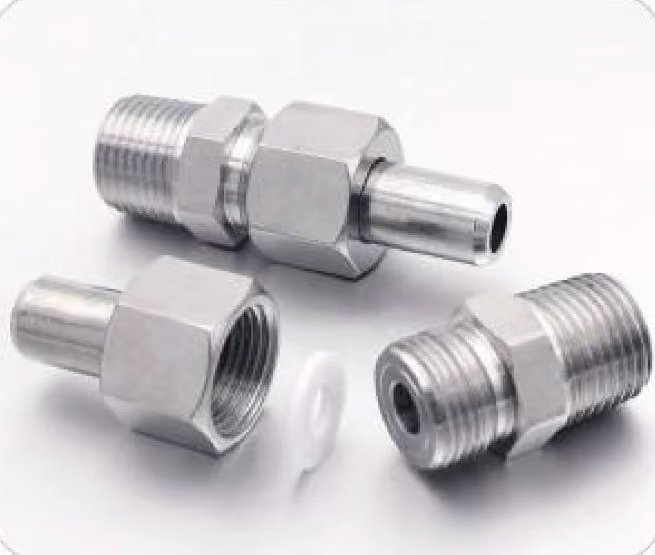
Socket Weld vs Butt Weld Fittings: Where Each Belongs
Socket weld vs butt weld fittings: the 1/16 in gap rule, NPS 2 convention, crevice and inspection differences, and which belongs on instrument lines.
Read article →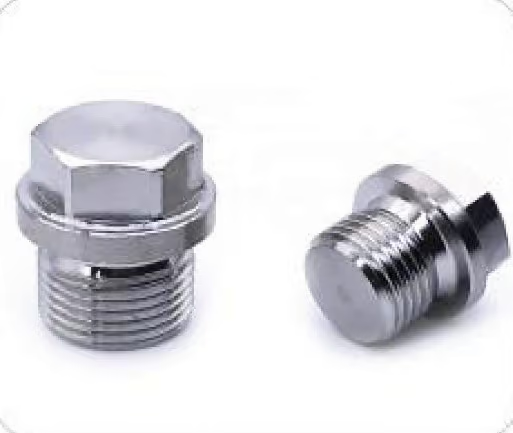
Hex Plug vs Flush Plug: Close Ports Without Dead Volume
Stainless steel hex plug vs flush plug: when to use socket flush plugs for dead-volume-free ports, square and flanged heads, and thread seal choice.
Read article →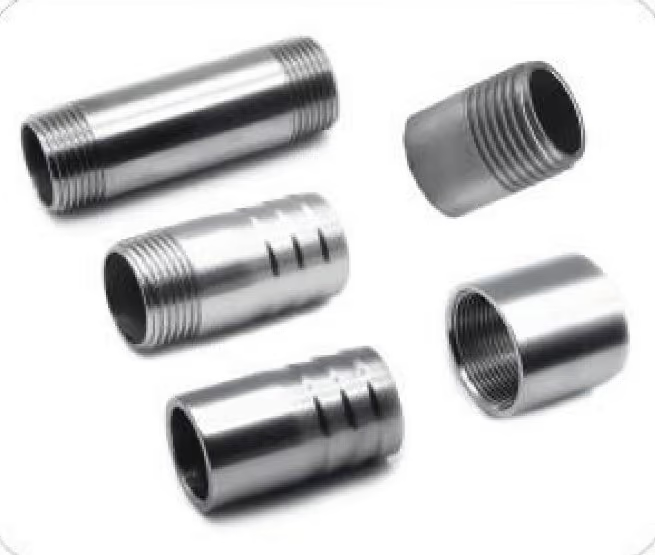
Investment Cast vs Machined Fittings: Cost, Shape, Tolerance
Investment cast vs machined stainless fittings: how lost-wax casting and CNC machining differ on cost curves, tolerances, surface finish and pressure integrity.
Read article →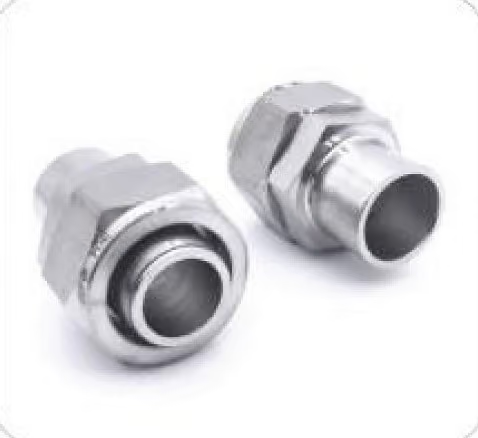
Sanitary Ball Valves: When 'Sanitary' Means Sanitary
Sanitary stainless ball valves: what sanitary actually means — full bore, no dead legs, drainable design, Ra surface — plus 3-A vs ASME BPE and the RFQ lines.
Read article →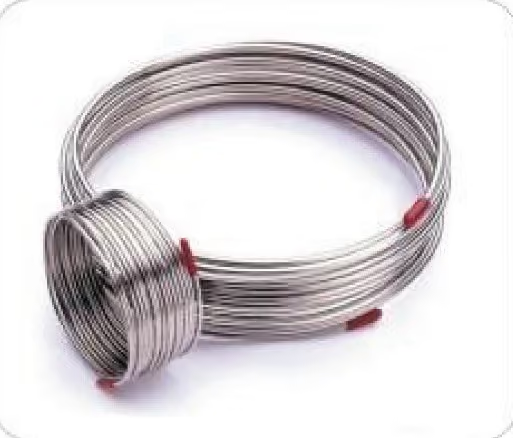
Stainless Steel Coil Tubing: Long Runs Without Couplings
Stainless steel coil tubing for long instrument runs: sizes, 316 vs 316L, ASTM A269 testing, coil lengths, on-site cutting and the RFQ lines to write.
Read article →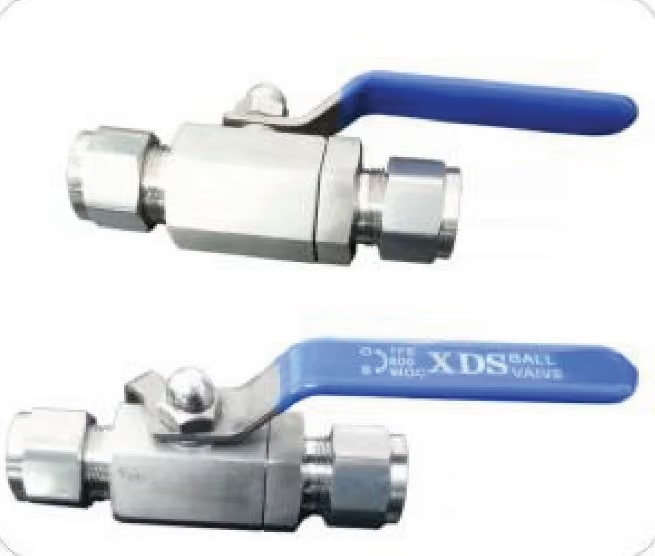
Valve Trim Materials: 316 vs 17-4 PH vs 410/420 Explained
Valve trim materials decoded: what 316, 17-4 PH and 410/420 mean for valve bodies, balls, stems, seats and packing — and how to write trim lines on the RFQ.
Read article →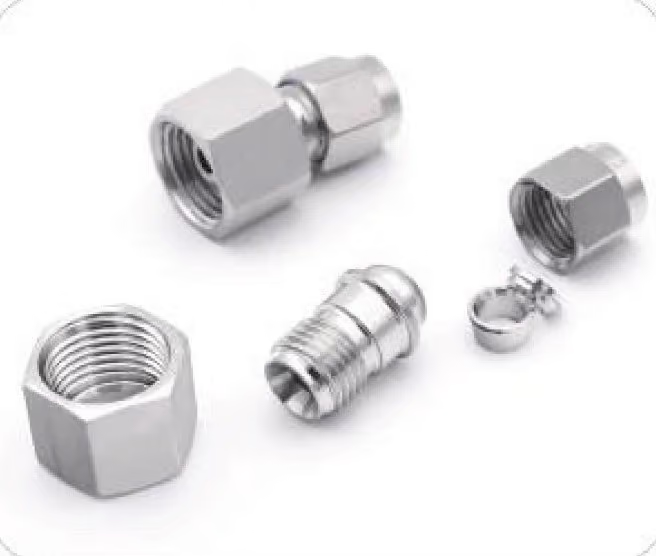
Electropolishing vs Passivation: Which Stainless Finish Do You Need?
Electropolishing vs passivation for stainless fittings: EP removes material and smooths to a lower Ra; passivation restores the oxide film. When to pay for EP.
Read article →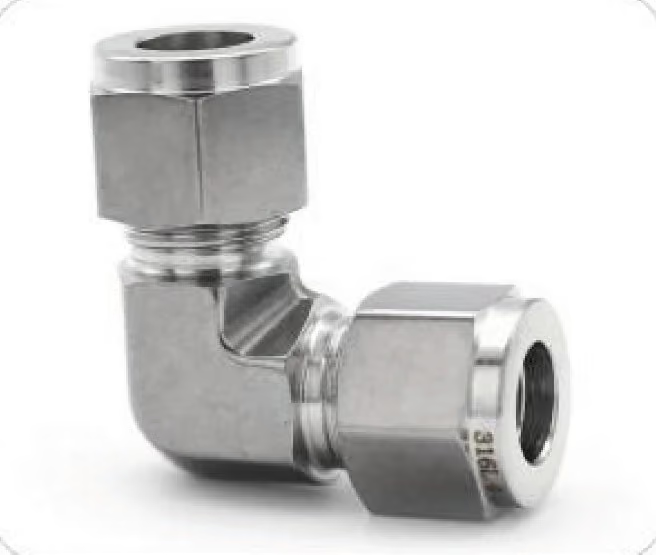
316 vs 316L Stainless Steel: Which Grade for Welded Fittings and Tubing
316 vs 316L stainless steel for fittings and tubing: carbon limits, weld sensitization, and when the low-carbon grade is worth paying for on the RFQ.
Read article →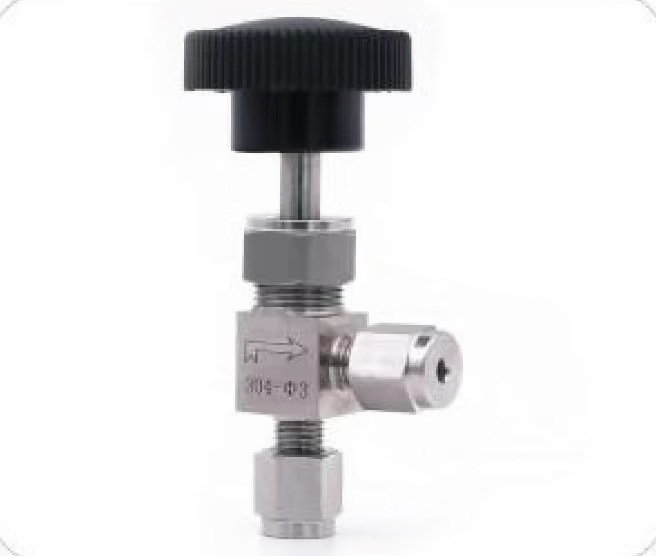
Passivation of Stainless Steel Fittings: What It Does and What It Cannot Fix
Passivation of stainless steel fittings: what nitric and citric acid passivation do, why pickling handles weld tint, and how to prevent rust after fabrication.
Read article →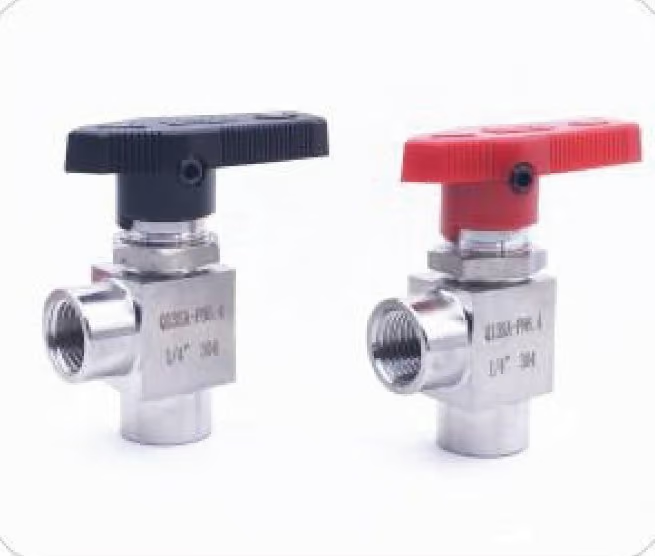
Pitting Corrosion in Stainless Steel Fittings: Why 316 Still Pits
Pitting corrosion in stainless steel fittings: why 316 still pits in chlorides, the PREN difference by grade, and how design and maintenance prevent it.
Read article →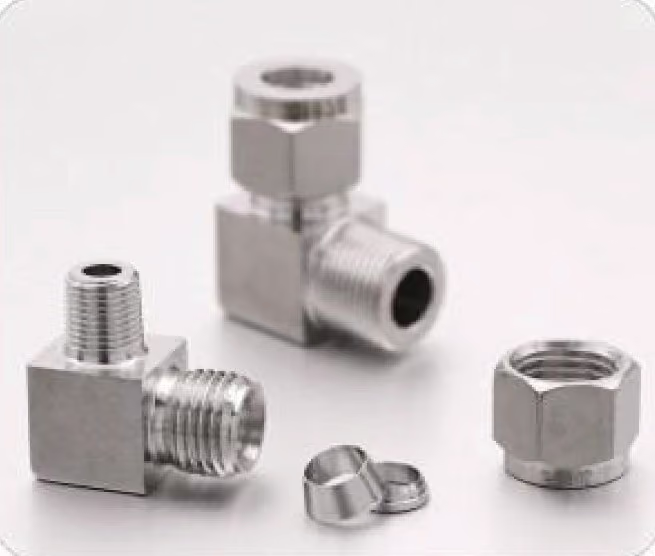
SS304 vs SS316 Stainless Fittings — Which to Pick
Factory guide to choosing SS304 or SS316 for compression fittings, ball valves and hose — corrosion, cost and delivery notes from FerruleX.
Read article →