Steam service is the first duty that makes a generic valve datasheet tell the truth about itself. “Handles steam” covers everything from a 120 °C saturated line to a 400 °C superheated main, and the right valve for the first is scrap in the second — not because the body fails, but because the seals, the packing and the seat meet their ceilings long before it does. The buyer’s whole job on a steam RFQ is to say which steam it is. Two words do most of the work: saturated or superheated.
Key takeaways
- Saturated steam locks temperature to pressure: about 120 °C at 1 barg, about 184 °C at 10 barg, about 215 °C at 20 barg.
- Superheated steam is heated past its saturation temperature for the pressure — drier, and harder on every elastomer, polymer and lubricant in the valve.
- 316 bodies carry steam duty comfortably; the limits live in PTFE seats and PTFE packing, with carbon-filled PTFE or PEEK and graphite packing above their classes.
- Wet steam erodes: droplets abrade like sand, and condensate slugs make water hammer.
- Slow warm-up, sloped lines and steam traps at low points prevent the hammer; the valve spec starts with steam state, pressure and superheat degrees.
Saturated steam basics
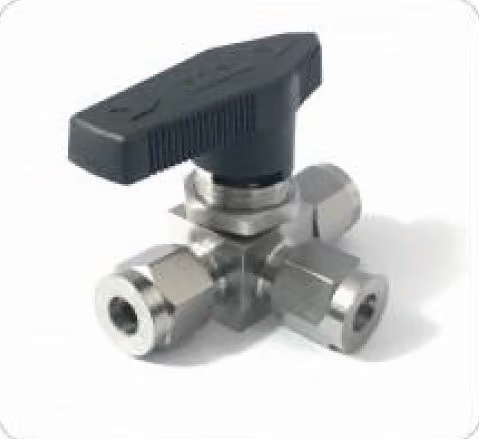
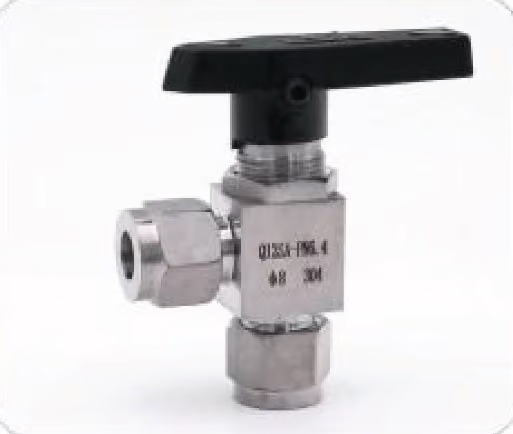
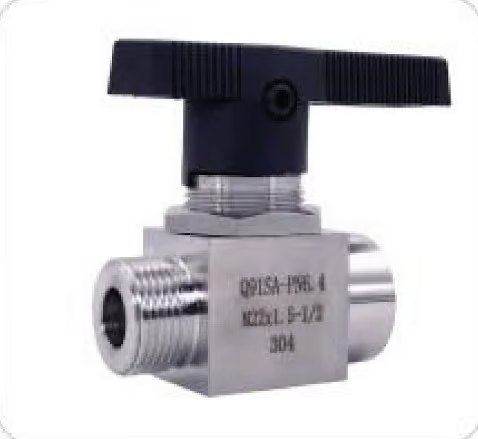
Saturated steam is the easy case to describe and the dangerous one to assume. In a saturated line, pressure and temperature are the same fact read two ways: raise the pressure and the temperature is locked to it. The pairs every steam buyer should carry: about 120 °C at 1 barg, about 184 °C at 10 barg, about 215 °C at 20 barg — the standard steam-table values. This is why a valve “rated to 200 °C” is a specific claim about saturated service: it covers the 1-to-roughly-12-barg band and stops there, whatever the body class says. Saturated steam in practice also arrives wet — a few percent moisture by mass is normal — and those droplets are the erosion and hammer story below. Our ball valves carry defined steam working pressures where the seat allows.
Superheat: adding degrees
Superheated steam starts as saturated steam and is heated further, past the saturation temperature for its pressure — the degrees above saturation are the superheat. Pressure and temperature are now independent dials, which is exactly what makes superheat dangerous for hardware: a superheated line can be modest in pressure and brutal in temperature. And superheat punishes the soft parts first — industry consensus, echoed across seal and valve references, is that elastomers and polymer seats fail before any metal does; dry heat ages them fast, heat travels up the stem and bakes the packing, and lubricant films collapse where steam provides none. The further the superheat, the more the valve’s real specification migrates from the body to the seat, the packing and the gasket.
Material checklist
For saturated steam at ordinary pressures, the honest build is: 316 or CF8M body — corrosion resistance and weld behavior are settled territory, per the stainless steel grades chart — a seat chosen to the temperature, and packing chosen to the same. PTFE is the decision point. Its practical continuous ceiling sits near 200–230 °C depending on grade, which places 10 barg saturated steam — about 184 °C — inside but close to the boundary, and anything superheated potentially past it. Maker practice splits here: some rate carbon-filled PTFE seats for defined saturated-steam working pressures, others direct steam duty to PEEK above the PTFE class, and the honest move is to quote the maker’s steam rating for the exact seat rather than assume it. Above the polymer classes: graphite packing, graphite gaskets, and metal-seated valves for the genuinely hot work. The seat-selection logic is the same conversation as ball valve seat materials, and the packing side is valve packing and fugitive emissions — steam service is where both posts meet.
Condensate and water hammer
Steam’s liquid shadow decides more failures than the steam does. As steam gives up heat, it condenses; condensate pools in low points, slugs of water accelerate in the line, and a slug arriving at a valve or elbow converts its momentum into a pressure spike — water hammer. The prevention trio is standard practice and cheap: slope the lines so condensate runs to low points, put steam traps at those low points, and warm lines slowly — crack the valve, let the traps clear the cold condensate, bring pressure up gradually. A hammered plant is almost always a trapped-warm-up failure, not a valve failure. And remember wet steam’s quieter damage: droplets at velocity erode seats and elbows the way the references put it — like sand — which is why dryness matters even where hammer is absent.
RFQ lines
steam state— saturated, or superheated with degrees of superheat.pressure and temperature— both, even though saturated ties them; the pair states the line class.dryness— if known, especially for turbine or meter-feed duty.cycle count— thermal cycling drives seat and packing selection as much as the steady state.
FAQ
Can I use a PTFE seat valve on 10 barg steam?
Ten barg saturated is about 184 °C, which sits inside virgin PTFE’s practical class but close enough to the ceiling that the maker’s steam rating — not the generic temperature line — must decide. Some makers rate defined saturated-steam working pressures for carbon-filled PTFE seats; others point to PEEK at that neighborhood. Send the steam state on the RFQ and let the seat follow the maker’s steam table.
What is the difference between saturated and superheated steam?
Saturated steam sits on the boiling curve: its temperature is locked to its pressure — 184 °C at 10 barg, always. Superheated steam has been heated past that curve, so temperature and pressure are independent and the steam runs dry and hot. Hardware cares because saturated steam’s limits are predictable from the pressure line alone, while superheated steam can be low in pressure and high in temperature — a combination aimed straight at the seals.
Why does superheat damage seals first?
Because the soft parts have the lowest ceilings and dry heat ages them fastest. Elastomers embrittle, polymer seats creep and degrade, packing bakes dry up the stem, and steam supplies no lubrication to anything. The body metal tolerates temperatures the seals cannot, so the failure order is seals first, metal last — which is why superheated service upgrades the seat, packing and gasket long before the body.
How do I prevent water hammer in a steam line?
Three cheap habits: slope the pipe so condensate reaches low points; steam-trap every low point so it never pools; and warm the line slowly — open a bypass or crack the main valve, let the traps clear the cold condensate, then bring pressure up gradually. Hammer is condensate physics, not valve quality.
Does steam corrode 316 stainless?
Not in the way chlorides do — 316’s steam-side enemy is not general corrosion but the combination of heat and stress, which is the territory of chloride stress corrosion cracking where chlorides concentrate, and of erosion where wet steam runs fast. Clean, dry steam is gentle to 316; wet, fast steam is abrasive; and chloride-laden condensate brings its own story.